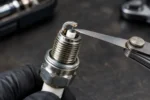
Few enthusiasts might ignore what is spark plug gap and forgets that this small detail plays a crucial role in maintaining the performance of your vehicle. The air-fuel mixture gets ignited by an ignition spark in the combustion system through a narrow space between the center and ground electrode. The right plug gap will lead to better efficiency, smooth drives and strong-consistent spark. In this guide we will acknowledge what spark plug gap is, why it matters, how to adjust it and which all tools you need to fix it.
What is Spark Plug Gap and Why does it matter?
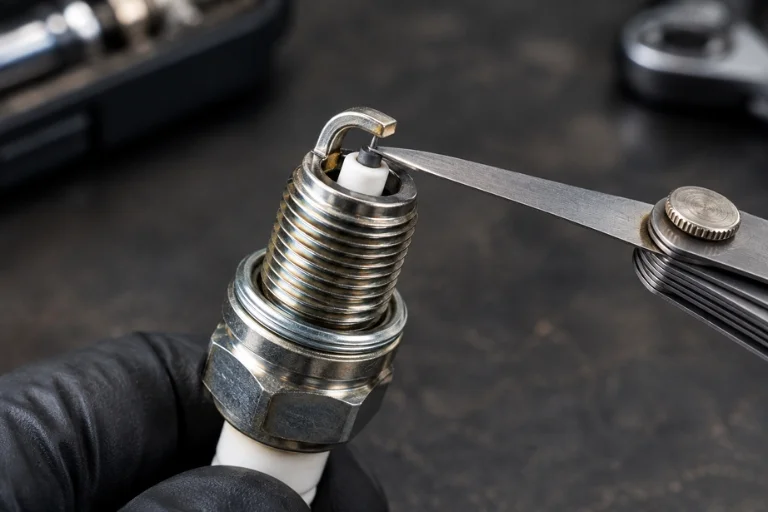
The precise distance between the center electrode and the ground electrode is the spark plug. Measured in gaps or thousands of inches it directly determines the strength and consistency of the spark that ignites your engine’s fuel mixture. An incorrect spark plug gap can cause various problems including:
- A weak spark leading to incomplete combustion.
- Uneven engine performance and increased emissions.
- Inconsistent gapping across the cylinder making more voltage to jump the gap causing misfires especially under load.
An incorrect spark plug gap that causes persistent misfires and incomplete combustion can over time damage pistons, cylinder walls and catalytic converters. For vehicles where prolonged ignition issues have caused deeper engine damage, Tagore AutoParts stocks a full range of used engines for popular makes and models across the USA.
How to Adjust Spark Plug Gap: Step-by-Step?
Knowing how to adjust spark plug gap can lead to various steps including:
- Check your user manual or manufacturer specification to measure the gap size ranging from 0.028 to 0.060, depending on the ignition system.
- Inspect the spark plug by making sure you look for wear, carbon build-ups or damage before adjusting.
- Make sure to gently bend the ground electrode to widen or narrow the gap.
- Ensure the gap that matches the specified range before installation.
- Install and torque it properly as overtightening can damage the plug.
Essential Spark Plug Gap Tools
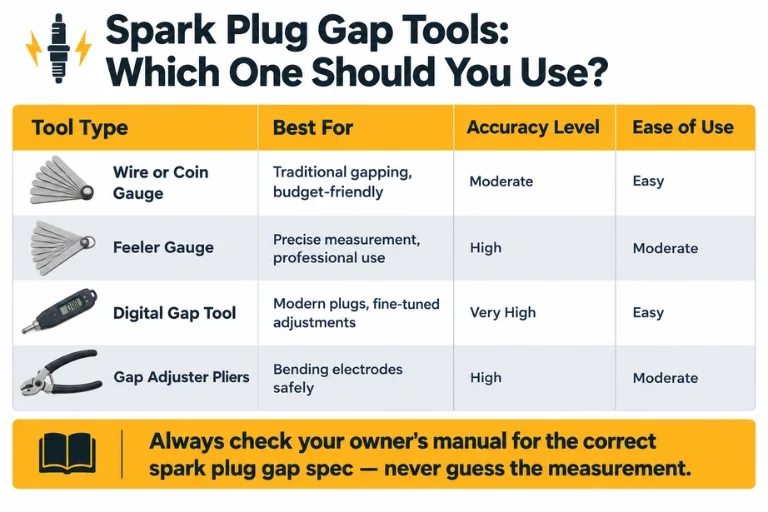
Using the correct spark plug gap tool ensures accuracy and prevents damage to the delicate electrodes. There are three main types of tools used for gapping spark plugs:
| Tool Type | Best For | Accuracy Level | Ease of Use |
| Wire/Coin Gauge | Traditional gapping, budget-friendly | Moderate | Easy |
| Feeler Gauge | Precise measurement, professional use | High | Moderate |
| Digital Gap Tool | Modern plugs, fine-tuned adjustments | Very High | Easy |
| Gap Adjuster Pliers | Bending electrodes safely | High | Moderate |
For vehicles where spark plug replacement and gapping are part of a broader tune-up that also includes transmission fluid service, Tagore AutoParts carries reliable used transmissions for a wide range of makes and models at competitive prices nationwide.
How to Set Spark Plug Gap for Different Engine Types?
Knowing how to set the spark plug gap correctly also depends on your engine and ignition system type:
- Typically, a narrow gap of (0.028–0.035) is required by the conventional system.
- A wider gap of (0.040–0.060) is needed by an electronic ignition system for a stronger spark.
- Platinum and iridium plugs are more durable but still require correct initial gapping despite their longer lifespan.
- High-performance and turbocharged engines may need custom gap settings specified by the manufacturer or tuner.
For Ford F-150 EcoBoost and turbocharged engine owners where the spark plug gap specification is tighter than naturally aspirated engines and incorrect gapping causes immediate misfires under boost, Tagore AutoParts stocks used Ford F-150 engines for drivers whose ignition system damage has extended to deeper engine wear requiring full replacement.
Signs Your Spark Plug Gap Needs Adjustment
You should check for the following signs that show your spark plug gap needs adjustment:
- Rough or unstable idling
- Difficulty starting the engine, especially in cold weather
- Noticeable drop in fuel efficiency
- Engine misfires or hesitation during acceleration
- Illuminated check engine light with misfire codes
For Toyota Camry and sedan owners where spark plug gap maintenance is part of a regularly scheduled tune-up interval, Tagore AutoParts also stocks used Toyota Camry engines for drivers whose ignition system inspection has revealed engine wear beyond what a plug gap adjustment can address.
Conclusion
Understanding and maintaining the correct spark plug gap is small yet one of the most important step of your driving journey. By using the right spark plug gap tool, following the proper procedures you can fix the spark plug gap that may help you avoid costly repairs by letting your engine perform at its best. Make sure not to overlook these steps and take extra minutes to measure it and adjust it accordingly.
For all your vehicle parts needs — from ignition components to complete used engines and transmissions — trust Tagore AutoParts, your reliable autoparts supplier serving customers nationwide.
Frequently Asked Questions
How often should I check my spark plug gap?
Generally it is often recommended to check your spark plug gap after every 30,000–100,000 miles.
Can I use any spark plug gap tool for all vehicles?
No, it is not recommended to use any spark plug gap tool for all the vehicles, as different type of spark plugs require specific matching tools to prevent engine damage.
What happens if I skip gapping spark plugs before installation?
Skipping gapping spark plugs before installation can increase the risk of misfires, combustion, and reduced engine efficiency.
What kills spark plugs quickly?
Heavy deposits, severe overheating and debris formation can lead to several engine problems that can destroy your spark plugs.