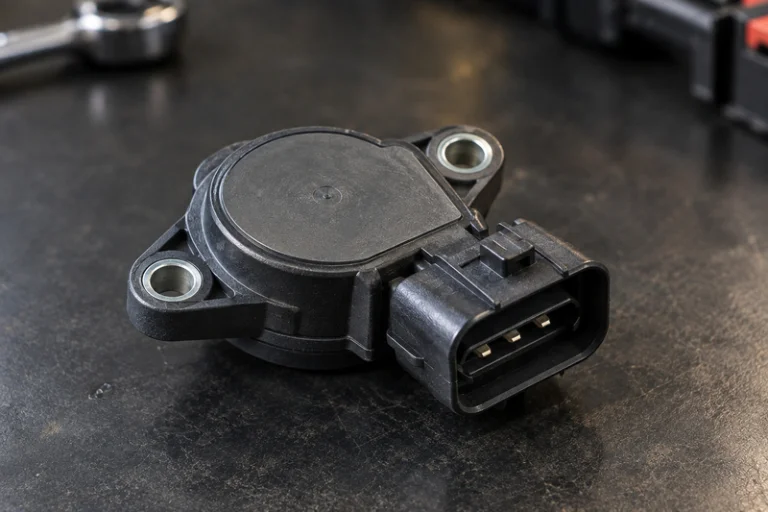
These modern vehicles have come along with different features to deliver smooth acceleration, better fuel efficiency and reliable performance. Among which the Throttle position sensor plays a crucial role — this small component lets your engine’s computer understand how much throttle is open, allowing the precise fuel delivery and ignition timing. In this blog we will understand everything you need to know about the throttle position sensor — how it works, common symptoms that can lead to its failure and what maintenance is required.
Table of Contents
What Is a Throttle Position Sensor?
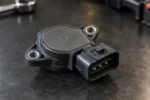
A throttle position sensor (TPS) is a small but crucial device located on the throttle body of the internal combustion engine. The main function of this component is to monitor the angle of the throttle valve and send the information to the Engine Control Unit (ECU). The TPS sensor acts as the communication bridge between the driver’s foot on the accelerator pedal and the engine’s fuel and air management system. The throttle position sensor detects this change and sends the signal to the ECU which then adjusts the fuel injection and ignition timing accordingly.
When a throttle position sensor fails and the ECU defaults to a conservative fuel map to protect the engine, prolonged operation under those conditions can accelerate internal engine wear over time. For vehicles where sensor neglect has contributed to deeper engine damage, Tagore AutoParts stocks a full range of used engines for popular makes and models across the USA.
How Does the TPS Sensor Work?
The throttle position sensor takes a note of how far is the throttle valve open and it sends information to the ECU — Engine Control Unit. Most of the sensor use potentiometer or Hall-effect technology. Here is how this process works:
- The Throttle valve is often connected to the rotating shaft.
- The shaft rotates when the throttle valve opens or closes.
- The resistance in a potentiometer-type sensor changes due of the rotation along with the changes in the magnetic field detected by a Hall-effect sensor.
- The sensor makes sure to convert the change into a voltage signal.
- The ECU reads this voltage to understand the throttle position and adjusts time of ignition, fuel injection and other engine functions.
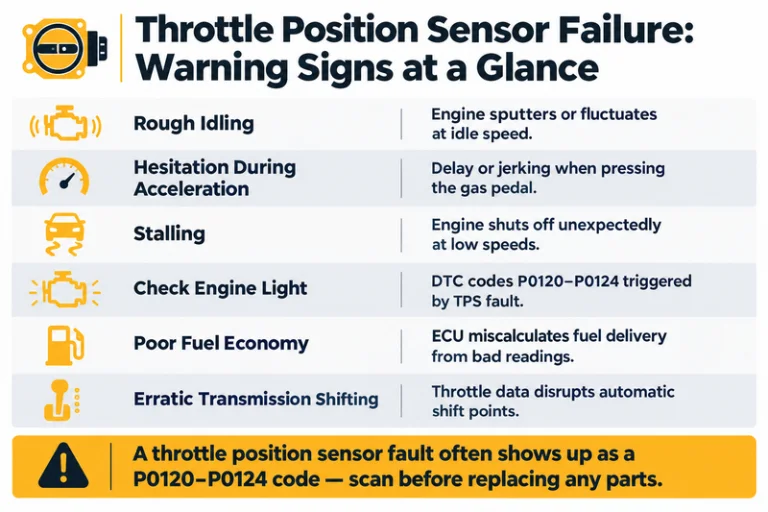
Common Symptoms of a Failing Throttle Position Sensor
Recognizing early warning signs can save you from costly repairs down the road. Watch out for these common symptoms:
- Rough idling – The engine may sputter or fluctuate at idle speed.
- Hesitation during acceleration – A delay or jerking sensation when pressing the gas pedal.
- Stalling – The engine may unexpectedly shut off, especially at low speeds.
- Check engine light – A malfunctioning TPS sensor often triggers diagnostic trouble codes (DTCs) such as P0120–P0124.
- Poor fuel economy – Inaccurate throttle readings can cause the ECU to miscalculate fuel delivery.
- Erratic transmission shifting – In vehicles with automatic transmissions, throttle position data influences shift points.
Erratic transmission shifting caused by a faulty throttle position sensor is one of the most misdiagnosed drivetrain issues — often leading to unnecessary transmission replacements when the actual root cause is the sensor. For vehicles where transmission wear has genuinely progressed alongside TPS failure, Tagore AutoParts carries reliable used transmissions for a wide range of makes and models at competitive prices nationwide.
Why Regular Maintenance Matters
Unlike some automotive components, the throttle position sensor doesn’t have a fixed replacement interval, but it can wear out over time due to constant mechanical movement and exposure to engine heat and vibration. Routine maintenance can help extend its lifespan and prevent unexpected breakdowns.
Key maintenance tips include:
- Cleaning the throttle body periodically to prevent carbon buildup, which can affect sensor accuracy.
- Inspecting wiring connectors for corrosion or looseness.
- Using a diagnostic scanner during routine service to check for early warning codes.
- Avoiding aftermarket sensors of questionable quality, as inconsistent voltage output can cause ongoing performance issues.
For Toyota Camry and sedan owners where throttle position sensor faults are among the most commonly reported ECU codes on high-mileage four-cylinder engines, Tagore AutoParts stocks used Toyota Camry engines for drivers whose TPS diagnosis has revealed broader engine wear requiring full replacement.
Benefits of a Properly Functioning TPS Sensor
Investing in the health of your throttle position sensor pays off in several ways:
- Improved fuel efficiency through accurate air-fuel ratio calculations.
- Smoother acceleration with responsive throttle feedback.
- Reduced emissions thanks to optimized combustion.
- Extended engine life by preventing strain from improper fuel delivery.
- Enhanced driving safety by avoiding sudden stalls or hesitation in traffic.
DIY Testing vs. Professional Diagnosis
The DIY mechanics can test the throttle position sensor through a multimeter to monitor the voltage output across the throttle range whereas the technicians use specialized scan tool to monitor the live TPS data along with other engine parameters ensuring an accurate diagnosis.
For Ford F-150 and truck owners where throttle position sensor failure is a known issue on drive-by-wire equipped models and has contributed to engine management damage, Tagore AutoParts also stocks used Ford F-150 engines as a cost-effective engine replacement solution.
Conclusion
The throttle position sensor may seem to be a small component but can affect the performance of your vehicle. From ensuring smooth acceleration to delivering better fuel efficiency this component plays a crucial role in making sure your vehicle performs at its best. Paying proper attention towards warning signs can help you save yourself from costly repairs and let your engine perform at its best. Don’t wait if your TPS sensor is failing — schedule your inspection today and make sure your vehicle stays safe, reliable and efficient on road.
For all your vehicle parts needs — from engine sensors to complete used engines and transmissions — trust Tagore AutoParts, your reliable autoparts supplier serving customers nationwide.
Frequently Asked Question
How much does it cost to replace a throttle position sensor?
Generally, the cost to replace it ranges between $150 to $400 depending on vehicle make and model.
Can I drive with a faulty TPS sensor?
No, it is not recommended as a failing sensor can cause unpredictable engine behaviour and loss of power.
How long does a throttle position sensor last?
Usually it may last throughout the lifetime of your vehicle — generally ranging between 100,000 to 150,000 miles.
Can a dirty throttle body damage the sensor?
Yes, a dirty throttle body can affect sensor accuracy as carbon buildup can lead to failures of the integrated sensors and actuators.
Is it possible to reset a TPS sensor without replacing it?
Yes, it is usually possible to reset it without replacing it.