There are various sensors that keep your engine running efficiently and one of the most critical component among them is the manifold absolute pressure sensor commonly known as the MAP sensor. This small but essential component plays a crucial role in maintaining the performance, fuel economy and emission control. Whether you are a car enthusiast or someone who is a DIY mechanic understanding how this sensor works will add to an advantage. This blog will answer all your questions help you understand what manifold air pressure sensor is, common failure symptoms and maintenance tips.
Table of Contents
What Is a MAP Sensor?
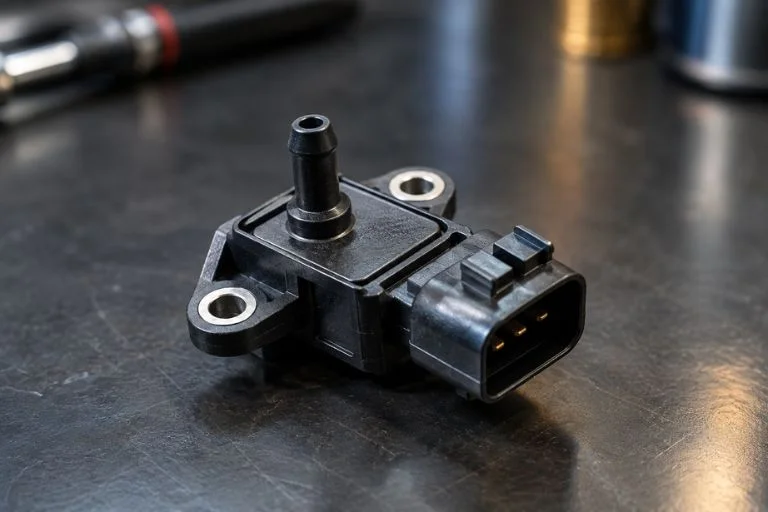
MAP sensor is an electronic device placed in the engine intake manifold. It mainly functions to determine the pressure of air in the manifold and communicate the information to the engine control unit (ECU). The information is used by the ECU to determine the correct air-to-fuel ratio that it needs for optimal combustion, which helps ensure your engine has a smooth operation at different times of driving, whether it’s at idle, accelerating or cruising at highway speeds. A MAP sensor is a type of electronic sensor that’s fitted into the intake manifold of an engine. Its main function is to measure the air pressure within the manifold.
When a MAP sensor fails and the ECU begins defaulting to conservative fuel maps to protect the engine, prolonged operation in that state can cause premature wear across internal engine components. For vehicles where MAP sensor neglect has contributed to engine damage, Tagore AutoParts stocks a full range of used engines for popular makes and models across the USA.
What Does a MAP Sensor Do?
So, what does a MAP sensor do? Simply, it is the “pressure detector” of the engine, which continually watches the pressure changes in the intake manifold. It has the following main functions:
- Measures engine load by monitoring the variation of the vacuum pressure in the intake manifold.
- Provides real-time information to the ECU to vary the timing and amount of injected fuel.
- Improves the ignition timing for smoother acceleration and better performance.
- Helps in emissions control, which includes efficient combustion and lower emissions of harmful exhaust gases.
- Helps compensate for altitude changes by making adjustments to fuel delivery as necessary per the changes in atmospheric pressure at different altitudes.
If your engine’s computer didn’t have the accurate readings from this sensor, then it would be “guessing” the amount of fuel to inject, and this would create poor performance and more emissions.
How the MAP Sensor Works?
A manifold absolute pressure sensor typically usually consists of a silicon-based diaphragm that bends when pressure changes, is used in the manifold absolute pressure sensor. When the engine is under increased load (acceleration), manifold pressure increases, which the sensor senses. On the other hand, when the car is idle or slowing down, the vacuum pressure rises and the sensor detects the change in absolute pressure. The continuous data flow enables the ECU to optimise the fuel delivery on the fly.
For vehicles where MAP sensor faults have also triggered transmission shift quality issues — particularly in electronically controlled automatics that rely on ECU torque data to determine shift points — Tagore AutoParts carries dependable used transmissions for a wide range of makes and models at competitive prices nationwide.
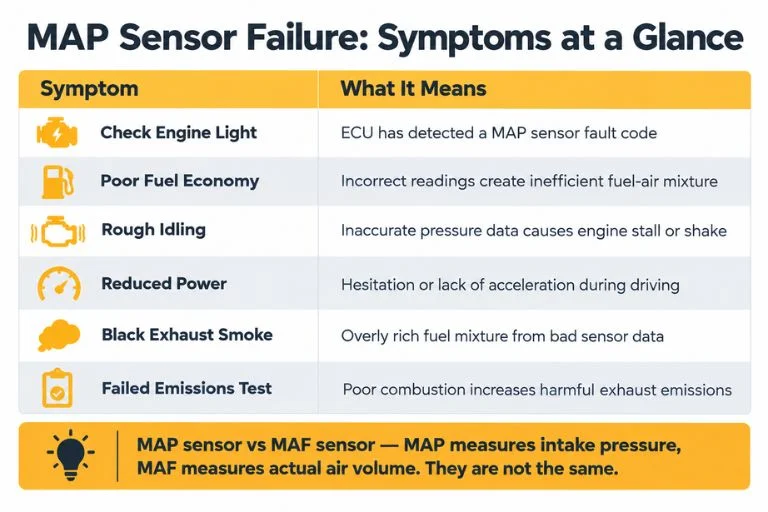
Symptoms of a Failing MAP Sensor
A malfunctioning MAP sensor can cause a range of drivability issues. Recognizing these symptoms early can prevent more serious engine problems down the road.
| Symptom | Description |
| Check Engine Light | Often the first sign of a sensor fault detected by the ECU |
| Poor Fuel Economy | Incorrect readings lead to inefficient fuel-air mixtures |
| Rough Idling | Engine may stall or shake at idle due to inaccurate pressure data |
| Reduced Power | Hesitation or lack of acceleration during driving |
| Black Exhaust Smoke | Indicates an overly rich fuel mixture |
| Failed Emissions Test | Poor combustion efficiency increases harmful emissions |
If you notice any combination of these symptoms, it’s wise to have your vehicle diagnosed promptly. For Toyota Camry and Honda Accord owners where MAP sensor faults are among the most commonly reported check engine codes on high-mileage four-cylinder engines, Tagore AutoParts stocks used Toyota Camry engines for drivers whose sensor diagnosis has escalated to engine replacement territory.
Common Causes of MAP Sensor Failure
There are several factors that can be responsible for the MAP sensor failure:
- The accuracy can be affected by the carbon build-ups on the sensor.
- Electrical wiring issues can damage the harness.
- With consistent usage the sensors might degrade over time.
- Contaminated oil residue or debris can enter the intake manifold.
- Vacuum leaks can turn the pressure reading in the intake system.
How to Diagnose and Test a MAP Sensor
The following steps are usually used to diagnose a bad manifold air pressure sensor:
- Use an OBD-II scanner to scan for error codes to see if there are any trouble codes related to the sensors.
- Check the wiring harness for any damage, corrosion, or loose connections.
- Check the voltage of the sensor with the aid of a multimeter, compare results with manufacturer specifications.
- Check for vacuum leaks around intake manifold and hoses.
- Check live data and scan tool data to see how they act while the engine is operating.
For Chevy Silverado and V8 truck owners where MAP sensor diagnosis has also revealed intake manifold gasket leaks and broader engine wear, Tagore AutoParts stocks used Chevy Truck Silverado 3500 engines as a cost-effective engine replacement solution.
MAP Sensor vs. MAF Sensor: What’s the Difference?
Many car enthusiasts often confuse the MAP sensor with the Mass Air Flow (MAF) sensor but just to let you know they both serve a different purpose all together. The MAP sensor measures pressures within the intake manifold, on the other hand the MAF sensor measures the actual volume of the air entering the engine. The MAP sensor is used to sense the pressure inside the intake manifold whereas the MAF sensor is used to sense the amount of air actually flowing into the engine.
Why Regular Maintenance Matters
Regularly checking the intake system can help to prolong the life of your MAP sensor and engine. Simple maintenance practices involve:
- Ensuring the air intake system stays clean and free from debris.
- Dealing with vacuum leaks.
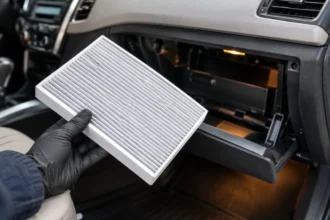
- Regularly change air filters to keep them from becoming contaminated.
- Conducting routine diagnostic tests to detect early warning signs.
Conclusion
The manifold absolute pressure sensor is a small but critical device that can have a direct impact on your car’s fuel economy, power output and on emissions. Knowing what the MAP sensor does and knowing the symptoms of failure can help you to correct any problems before they get to be an expensive repair. By performing routine maintenance, regularly monitoring diagnostics, and replacing engines’ sensors as necessary, you can ensure your engine is running smoothly for years. If you think your MAP sensor is on the verge of failure, speak with a reputable mechanic or a diagnostic scanner to confirm that the problem is with the MAP sensor — the health of your engine will rely on it.
For all your vehicle parts needs — from engine sensors to complete used engines and transmissions — trust Tagore AutoParts, your reliable autoparts supplier serving customers nationwide.
Frequently Asked Question
What is a MAP sensor used for in a car?
The MAP sensor is used to monitor the pressure inside the air intake manifold and relay the information to the ECU.
Can I drive with a bad MAP sensor?
A bad or faulty MAP sensor can cause poor fuel economy, rough idling, and long-term engine damage.
What does a replacement of a MAP cost?
Replacing the MAP would cost between $150 and $400 depending on the labor or parts used.
When to change MAP sensor?
Generally it is recommended to change the Manifold Absolute Pressure (MAP) sensor when it gets contaminated or fails the tests or when it triggers the trouble codes.