Table of Contents
Are you looking at a luxury sedan or a high-performance SUV? If yes, then your ride quality comes down to one thing: your suspension. Even though traditional coil spring systems have been standard for decades, air suspension is quickly emerging as one of the most advanced alternatives today. Instead of conventional springs, air ride systems use pressurized air in air-filled chambers, offering remarkable adaptability, comfort and on-the-fly ride height adjustment. This guide will help you understand what an air suspension system is, the pros and cons of getting an air ride system, and whether it’s a worthy upgrade for your car.
What Is Air Suspension?
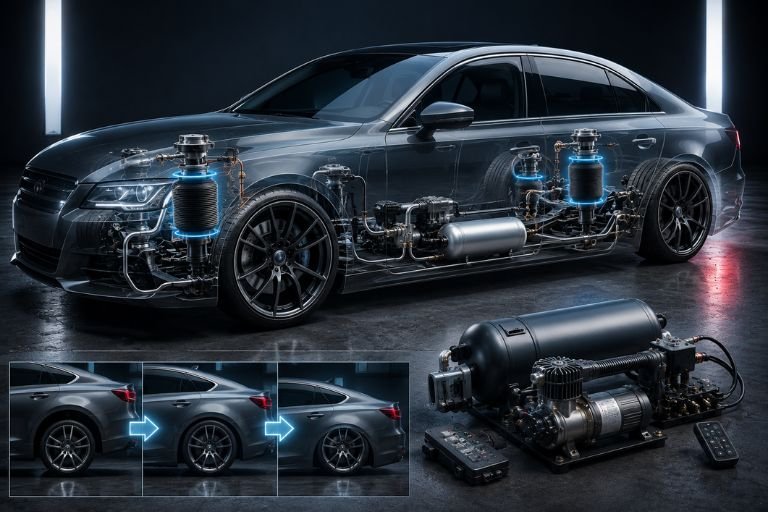
Air suspension is a type of suspension system that uses air-filled chambers called air suspension air bags (or air springs) to replace the traditional coil or leaf springs used in conventional suspension systems. The air bags suspension components are generally created from reinforced rubber material, identical to rubber employed in tire production—durable and resilient. The air suspension air bags are linked to an on-board air compressor and an air storage reservoir. The system can adjust the ride height of the vehicle as it drives over different surfaces, under varying loads, and with different driver preferences by inflating or deflating these chambers. It’s also known as pneumatic suspension or, more colloquially, air ride or air bag suspension.
How Does an Air Suspension System Work?
Today’s air suspension systems are electronic, with a web of sensors, a central computer, an air compressor, and the air bags suspension units. The process is carried out step by step:
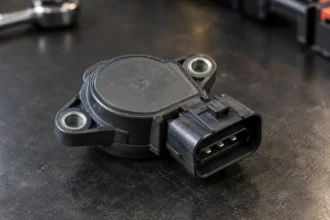
- Height Sensors: Located at each wheel, they continually track the vehicle’s ride height and send information to the Electronic Control Air Suspension (ECAS) module.
- Computer Processing: The ECAS computer takes in the sensor data and decides on the exact changes required to maintain optimal ride heights and handling.
- Compressor Activation: The on-board compressor provides the necessary compressed air that is channeled through air lines to the manifold.
- Manifold Distribution: The manifold distributes air to the correct air suspension air bags, inflating or deflating as needed.
- Real-Time Adjustment: The air bags suspension units react within milliseconds to adjust the ride height depending on the road, the speed or driver input.
Some systems come with load-leveling, which means that both the front and rear ride heights can be controlled separately. A great benefit of this is if the truck or SUV is used to carry heavy loads often or for towing a trailer—the air ride system can adjust to take into account the additional weight at the rear axle.
Air Suspension vs. Traditional Coil Spring Suspension: A Quick Comparison
| Feature | Air Suspension | Coil Spring Suspension |
| Ride Quality | Exceptionally smooth and adaptive | Adequate but fixed |
| Ride Height Adjustment | Fully adjustable via driver or ECAS | Fixed height |
| Load Leveling | Yes, front and rear independently | Limited or none |
| Maintenance Complexity | Higher due to more components | Lower, simpler system |
| Cost | Higher purchase and service costs | Lower overall cost |
| Handling | Adaptive to speed and cornering | Consistent but less adaptive |
| Reliability (Modern) | Comparable when well-maintained | Generally very reliable |
Understanding Suspension Systems and Vehicle Performance
Air suspension represents a significant advancement in vehicle dynamics, similar to how understanding struts vs shocks helps identify suspension component functions and replacement needs. Regular maintenance following a comprehensive car maintenance checklist becomes especially important for vehicles with air suspension, as the system requires periodic inspection of air bags, compressors, and sensors.
When suspension components fail or when upgrading older vehicles, quality parts from suppliers like Tagore Auto Parts provide reliable remanufactured engines and transmissions that can be paired with modern suspension upgrades for complete vehicle restoration projects.
Key Benefits of Air Ride Suspension
Air ride suspension is the more desirable suspension option for luxury cars and high-performance drivers alike for several good reasons. The main benefits are:
Unmatched Ride Comfort
The primary advantage of air bag suspension is the highly enhanced ride quality it affords. The air bags suspension units are able to soak up bumps in the road much better than rigid coil springs, floating over potholes, speed bumps, and rough road surfaces. Vibration and impact are significantly reduced for passengers, and long journeys are much more pleasant.
Adjustable Ride Height
A major feature of an air suspension system is the capability to raise or lower the vehicle as required. The driver can reduce aerodynamic drag and save fuel by lowering it at highway speed, or raise it for off-road driving. Some advanced air ride systems even allow height adjustments via a smartphone app or automatically based on GPS location data.
Better Handling and Stability
Air ride suspension systems are not just about smoothing the road surface; they also respond to driving style. The system can stiffen when cornering fast to maintain balance and keep the car planted. That’s why air suspension is a great addition for both everyday driving and performance driving.
Load-Leveling Capability
Load-leveling is a major advantage for trucks and SUVs that are fitted with air bag suspension. The air bags suspension units at the rear automatically adjust to level the vehicle when heavy cargo is placed in the bed or a trailer is hitched. This enhances handling, braking and towing safety.
Reduced Component Wear
An air suspension system also reduces vibrations to other vehicle systems, which results in less stress on other parts of the vehicle. Over time, this can help reduce the degradation of parts such as bushings, ball joints, and chassis hardware.
Potential Drawbacks of Air Bag Suspension
While air suspension technology is impressive, there are some drawbacks to consider for potential buyers:
- Premium Initial Cost: Vehicles with air suspension usually come at a higher cost. Retrofitting kits for aftermarket air ride suspension can also be a significant investment.
- Greater Maintenance Demands: More frequent maintenance inspections and upkeep are required for an air suspension system than for a simple coil spring system due to the additional components (compressors, air lines, height sensors, manifold and air bags).
- More Complex Repair Process: If a problem occurs in an air suspension system, the diagnostic and repair process is more complex and may require specialized knowledge and equipment. As a result, labor costs can be more expensive.
- Air Leakage Potential: Air bags suspension units usually do not leak if properly maintained, but there is a risk of leakage. If one corner sags, it will be because of a damaged air spring or damaged airline, compromising ride quality and handling.
Conclusion
Air suspension is one of the most important developments in vehicle dynamics and passenger comfort within the last decades of automotive development. Adaptive air bags suspension units replace rigid springs, which lets drivers adjust ride height precisely, enjoy exceptional ride quality and achieve superior handling in multiple situations. The obvious considerations of an air ride suspension system are its cost and extra maintenance requirements, but for luxury-focused drivers, truck owners who transport heavy loads, and performance-oriented buyers, the benefits are undeniable.
When you fully grasp the air suspension system, you can make the most of this amazing technology, whether it’s part of your car’s original factory setup or you’re considering an air suspension system upgrade. Looking to experience the difference? Talk with a professional auto repair shop to see if you should consider an air suspension system as an upgrade for your vehicle—then experience a more pleasant ride.
Frequently Asked Questions
Which is more reliable: Air suspension vs coil overs?
If maintained correctly, modern air suspension systems are as reliable as coil over systems. Early generations had a reputation for fragility, but developments in materials and electronics have created much greater durability. Regular maintenance will help obtain the most from any air ride suspension system.
Is it possible to add air suspension to any car?
In most cases, yes. There are a variety of different air bag suspension systems for aftermarket use, ranging from classic cars to modern trucks. Installation is complex, though, and should be performed by a knowledgeable technician to assure proper fitment and performance.
How often should an air suspension system be serviced?
Maintenance of an air suspension system is relatively straightforward. The most common task is monthly draining of the air tank to avoid moisture buildup. In addition, periodic checks of airlines, air bags suspension parts and sensors are recommended—typically every 12 months or 12,000 miles.
Will air suspension increase towing capacity of my vehicle?
An air suspension system will not increase your vehicle’s rated payload or towing capacity. The load leveling, however, aids in maintaining level vehicle stance, which can enhance towing stability and handling when transporting heavy loads within your vehicle’s existing capacity.
Do the air bags have a chance of rupturing during operation?
The chances of a leak or rupture in a properly designed air suspension system are extremely small. The air suspension air bags are made from strong, reinforced rubber and are able to withstand high pressure. Regular servicing as per the manufacturer’s schedule significantly minimizes the risk of any problems.
Can air suspension improve off-road capability?
Yes, adjustable ride height allows drivers to raise the vehicle for improved ground clearance when off-roading, then lower it for highway driving. This makes air suspension ideal for vehicles that see both on-road and off-road use.