If you are planning to buy a car one question that might trigger your head is What is an odometer and what are its uses? Understanding these figures in this instrument will help to let you know how much distance has your car covered. In case, if you are a first-time buyer wondering what an odometer actually does and what are its uses, this blog will help you understand everything you need to know about this instrument.
Odometer Meaning: The Basics
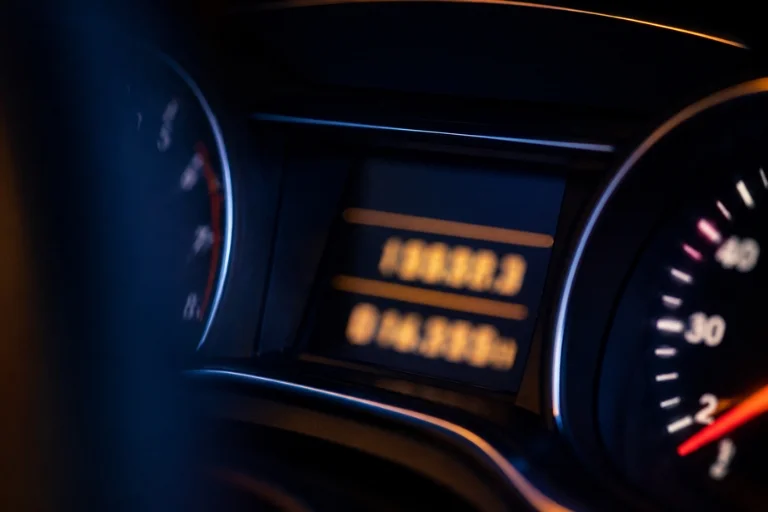
An odometer is a device used to measure the distance covered by your car. The name is derived from a Greek word: hodos (path) and metron (measure), which in short means path measurer. This instrument under the hood, works by counting wheel or transmission rotations and converting that count into a mileage figure shown in miles or kilometres.
Understanding a vehicle’s odometer reading is one of the most important steps in evaluating a used car purchase — and mileage directly affects which mechanical components are likely to need attention. For buyers whose used vehicle purchase has revealed high-mileage engine wear, Tagore AutoParts stocks a full range of used engines for popular makes and models across the USA as a cost-effective path to restoring full performance.
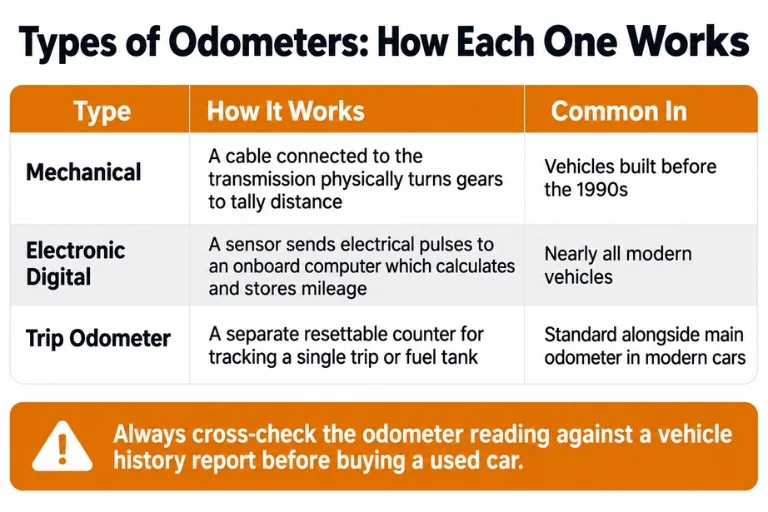
Types of Odometers
| Type | How It Works | Common In |
| Mechanical | A cable running to the transmission physically turns gears to tally distance | Vehicles built before the 1990s |
| Electronic (digital) | A sensor sends electrical pulses to an on-board computer, which calculates and stores the mileage | Nearly all modern vehicles |
| Trip odometer | A separate, resettable counter for tracking a single trip or tank of gas | Standard alongside the main odometer in modern cars |
Why the Odometer Reading Matters
It’s tempting to treat mileage as just another spec, but it touches nearly every part of owning or selling a car:
- Resale value. Lower mileage usually means less wear, which tends to push the price up.
- Maintenance planning. Oil changes, timing belts, brake service — manufacturers schedule most of this around mileage, not calendar dates.
- Warranty coverage. Plenty of warranties are capped by mileage, so an accurate reading decides whether a repair gets covered.
- Insurance and financing. Lenders and insurers factor mileage into risk assessments, which can affect your rate or terms.
- Fraud prevention. An honest reading is the main defence against odometer rollback — tampering with the mileage to make a car look newer than it is.
High odometer readings also signal that the transmission is approaching service territory — particularly in vehicles that have seen a mix of city and highway use. For used car buyers whose purchase has revealed transmission wear alongside high mileage, Tagore AutoParts carries reliable used transmissions for a wide range of makes and models at competitive prices nationwide.
What Is an Odometer Disclosure Statement?
This is where things get legal. When a vehicle changes hands, U.S. federal law — the Truth in Mileage Act (TIMA) — generally requires the seller to formally disclose the actual mileage at the time of transfer. It’s not optional paperwork; it’s a legal certification, and getting it wrong (intentionally or not) can create real problems down the line.
When You’ll Need One
- Selling or transferring ownership of a vehicle
- The vehicle is under 20 years old (the threshold in most states)
- Registering a used car with the DMV
- The current reading doesn’t match what’s on the title
What It Has to Include
- The vehicle identification number (VIN)
- The exact odometer reading at the moment of transfer
- A statement on whether the mileage is accurate, exceeds the odometer’s mechanical limits, or is simply not known to be accurate
- Signatures from both buyer and seller
- The transaction date
Skip this or fudge the numbers, and you’re not just risking an awkward conversation — odometer fraud is a federal offense, with real fines and potential criminal exposure attached. For a complete and authoritative reference on federal odometer fraud laws, disclosure requirements and the Truth in Mileage Act, the National Highway Traffic Safety Administration’s official odometer fraud and disclosure page is the most comprehensive USA government resource available for both buyers and sellers navigating vehicle transfers. For Toyota Camry and sedan buyers whose vehicle history report has revealed a mileage discrepancy alongside deferred engine maintenance, Tagore AutoParts stocks used Toyota Camry engines to help restore a high-mileage purchase to full mechanical reliability.
How to Read (and Sanity-Check) a Car’s Mileage
Reading the number itself is easy — it’s verifying it that takes a little more care.
- Find the main display, usually built into the instrument cluster.
- That number is lifetime mileage, not trip mileage — don’t confuse the two.
- The trip odometer resets on demand and only tracks recent driving, so it won’t tell you anything about the car’s history.
- On a used car, compare the current reading against service records, old inspection stickers, or a vehicle history report before you trust it at face value.
Red Flags Worth Watching For
- Pedals, seats, or a steering wheel that look far more worn than the mileage suggests (or vice versa)
- Service records with gaps or numbers that don’t add up
- A title branded with language like “mileage discrepancy” or “not actual mileage”
- On older mechanical odometers, digits that look loose, misaligned, or slightly crooked
For Ford F-150 and truck buyers where odometer discrepancies are particularly common in the used market due to the high volume of work trucks changing hands, Tagore AutoParts stocks used Ford F-150 engines for buyers who have confirmed high actual mileage and need a reliable engine replacement to match.
Cross-Checking with Vehicle History Reports
Before you sign anything, pull a vehicle history report. These pull together odometer readings recorded at past inspections, sales, and registrations — which makes it much easier to catch a rollback or an inconsistency that the paperwork alone wouldn’t reveal.
Conclusion
None of this is complicated once you know what to look for. An odometer tracks distance, a disclosure statement makes that number legally official, and a little diligence — checking service records, requesting a history report, reading the fine print — is usually all it takes to avoid an expensive mistake. Before your next purchase or sale, take a few extra minutes with the mileage. It’s cheap insurance against a costly problem later.
For all your vehicle parts needs — from high-mileage engine replacements to complete used transmissions — trust Tagore AutoParts, your reliable autoparts supplier serving customers nationwide.
Frequently Asked Questions
What is the purpose of an odometer?
An odometer is a device that is used to measure the total distance a vehicle covers. It displays the cumulative mileage in miles or kilometres.
What is an odometer vs speedometer?
An odometer measures the total distance traveled by your car whereas the speedometer shows the vehicle’s current speed.
Can an odometer reading be wrong?
Yes, there can be a fault in odometer reading due to mechanical failures, replaced instrument cluster or outright tampering.
What happens if odometer fraud turns up after the sale?
Buyers may be able to seek compensation, while sellers can face civil penalties or even criminal charges, depending on the state and the circumstances.