Table of Contents
In the case of vehicle safety, you can hardly find essential components as your braking system. The caliper is the center of this system and it is a mechanical part that changes the hydraulic pressure to the friction that prevents your vehicle.
You may be an experienced car lover or a car owner, but to ensure safety and performance of your car, especially in daily-driven vehicles powered by engines like the Honda Accord engine, it is essential to understand how brake calipers work.We shall cover all you need to know of the calipers including the simplest role that it plays a part in extending life of the calipers and their maintenance techniques that will ensure that you remain safe on the road.
What Is a Caliper and Why Does It Matter?
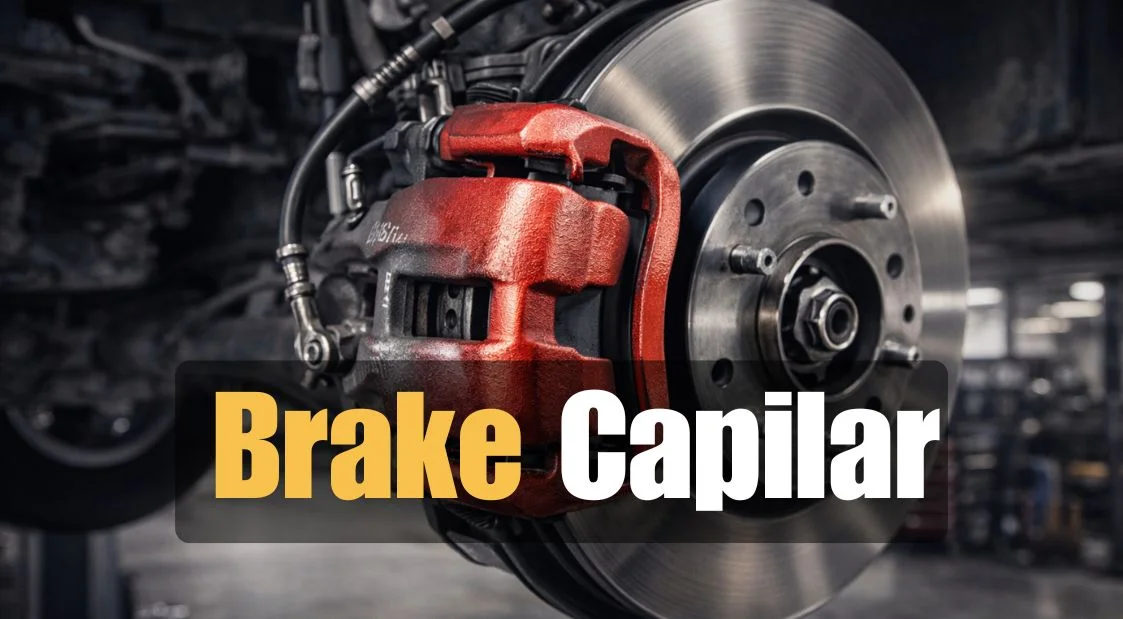
One of the most necessary items of your disc brake system is the caliper which accommodates brake pads and pistons. By pushing the brake pedal, the hydraulic fluid develops pressure, which causes the pistons of the caliper to push the brake pads against the brake rotor and generate the force you need to decelerate or stop your car.
Imagine the caliper of the brake as a clamp that holds the rotor as it is spinning between the two pads of brake. This mechanical process turns the kinetic energy of your vehicle into heat energy and your car comes to a regulated stop. Your automobile would be rendering its braking power useless without the availability of appropriately fitting calipers on the car brake systems.
Types of Brake Calipers: Understanding Your Options
All calipers are not made equal. Knowing the various types can also enable you to make a sound decision regarding maintenance and upgrades.
Fixed Calipers
Fixed calipers remain stationary and use pistons on both sides of the rotor to apply pressure evenly. These are typically found on high-performance vehicles because they provide:
- Superior braking performance
- Better heat dissipation
- More consistent brake feel
- Enhanced durability under extreme conditions
Floating Calipers
Floating (or sliding) calipers are more common in everyday vehicles, including popular commuter cars equipped with engines like the Honda Civic engine.They use pistons on only one side, with the caliper body sliding on pins to apply pressure from both sides. While generally less expensive, they’re perfectly adequate for normal driving conditions.
How Brake Calipers Work: The Science Behind Safe Stopping
It is in knowing how a caliper works that you will enjoy the significance it has in the safety system of your vehicle.
- Squeezing the brake pedal, this is what happens:
- The hydraulic lines direct the brake fluid to the caliper.
- One or more pistons within the caliper are triggered by the fluid pressure.
- These pistons make the brake pads push off on the rotating brake rotor.
- The friction between the pads and rotor reduces the rotation of the wheel.
- Your car slows down or stops altogether.
This is a process that occurs within milliseconds and demonstrates the brilliant work of braking systems in the modern world.
Common Brake Caliper Problems and Warning Signs
Like any automotive component, calipers on car braking systems can develop issues over time. Recognizing these warning signs early can prevent dangerous situations and expensive repairs, particularly in heavier vehicles that rely on components such as the Ford F-150 transmission
Seized or Stuck Caliper
A seized caliper occurs when the piston becomes stuck due to corrosion, dirt, or damaged seals. Symptoms include:
- Vehicle pulling to one side when braking
- Uneven brake pad wear
- Burning smell from wheels
- Reduced fuel efficiency
- Excessive heat from one wheel
Leaking Brake Fluid
- Brake fluid leaks around the caliper indicate worn seals or damaged components. Watch for:
- Soft or spongy brake pedal feel
- Visible fluid on the wheel or ground
- Decreased braking performance
- Low brake fluid warning light
Uneven Brake Pad Wear
When one brake pad wears faster than others, it often points to caliper problems affecting proper pad retraction or applications.
Essential Tools for Brake Caliper Maintenance
Proper maintenance and repair of your brake caliper system requires specific tools. Understanding these tools helps you tackle basic maintenance or communicate effectively with your mechanic.
Brake Caliper Compression Tool
A brake caliper compression tool is essential for compressing the caliper pistons when replacing brake pads. This tool safely retracts the pistons back into the caliper housing, making room for new, thicker brake pads. Without this specialized caliper tool, installing new pads becomes nearly impossible.
Additional Essential Tools
- C-clamp or caliper piston tool
- Socket set and wrenches
- Brake cleaner and lubricant
- Torque wrench for proper installation
- Brake bleeding kit
Maintaining Your Brake Calipers: Best Practices
Exchange will prolong the life of your calipers and allow the best braking action.
Inspection Schedule: Be sure to have your calipers inspected every time of a brake service, or at least once a year. Be on the lookout of corrosion, fluid leaks or broken parts.
Cleaning: Clean off road salt, dirt, and brake dust on calipers. Apply suitable products of brake cleaners built into automobile usage.
Lubrication: Use correct high temperature brake lubricant on slide pins of calipers during brake service to ensure that they do not stick.
Brake Fluid Maintenance: Change your brake fluid only when your manufacturer, as in the case of normal brake fluids, recommends it, which is about 2-3 years to keep internal corrosion at bay.
When to Replace Your Brake Caliper?
While calipers are designed to last many years, they eventually need replacement. Consider replacement when:
- Pistons are seized and cannot be freed
- Caliper body shows significant corrosion
- Brake fluid leaks cannot be fixed with seal replacement
- Caliper mounting brackets are damaged
- Professional inspection recommends replacement
Conclusion
The brake caliper system of your vehicle is of great importance not to be neglected. Knowing what a caliper is and how it works, and knowing what to look at to determine when something is wrong and keeping these essential parts is a way of making sure your safety and that of other traffic users on the road. Be it a DIY brake pad replacement when you use a caliper compression tool, or when you find yourself in the presence of a professional mechanic, the knowledge of your brake system will enable you to make more accurate choices.
The key to maintaining the best operation of your calipers is to have regular inspections, good maintenance and to repair them at the appropriate time. In any case, in matters of your braking system, preventive maintenance is always cheaper- and safer- than emergency repairs. Maintain your calipers at a high standard and they could keep you safe in stopping during your entire life.
Frequently Asked Questions
How long do brake calipers last, and what affects their lifespan?
Brake calipers typically last between 75,000 and 100,000 miles, and some can last the lifetime of the vehicle with proper care. Their lifespan is affected by driving habits, environmental conditions like road salt and humidity, and regular maintenance.
What is the difference between rebuilding and replacing a brake caliper?
Rebuilding a caliper involves replacing internal seals and pistons and is cheaper if the caliper body is in good condition. Replacing a caliper costs more but provides a new unit with a warranty and greater long-term reliability.
Should brake calipers be replaced individually or in pairs?
Brake calipers should be replaced in pairs on the same axle to ensure balanced braking performance. Replacing only one caliper can cause uneven braking and vehicle pulling.
Why does a brake caliper stick, and can it be fixed?
A brake caliper sticks due to corrosion, damaged seals, contaminated brake fluid, or seized slide pins. Slide pins can be fixed at home, but a stuck piston usually requires professional repair.
Do performance brake calipers make a difference for street driving?
Performance brake calipers improve stopping power, heat dissipation, and pedal feel during aggressive driving. For normal daily use, factory brake calipers are usually sufficient and reliable.