Table of Contents
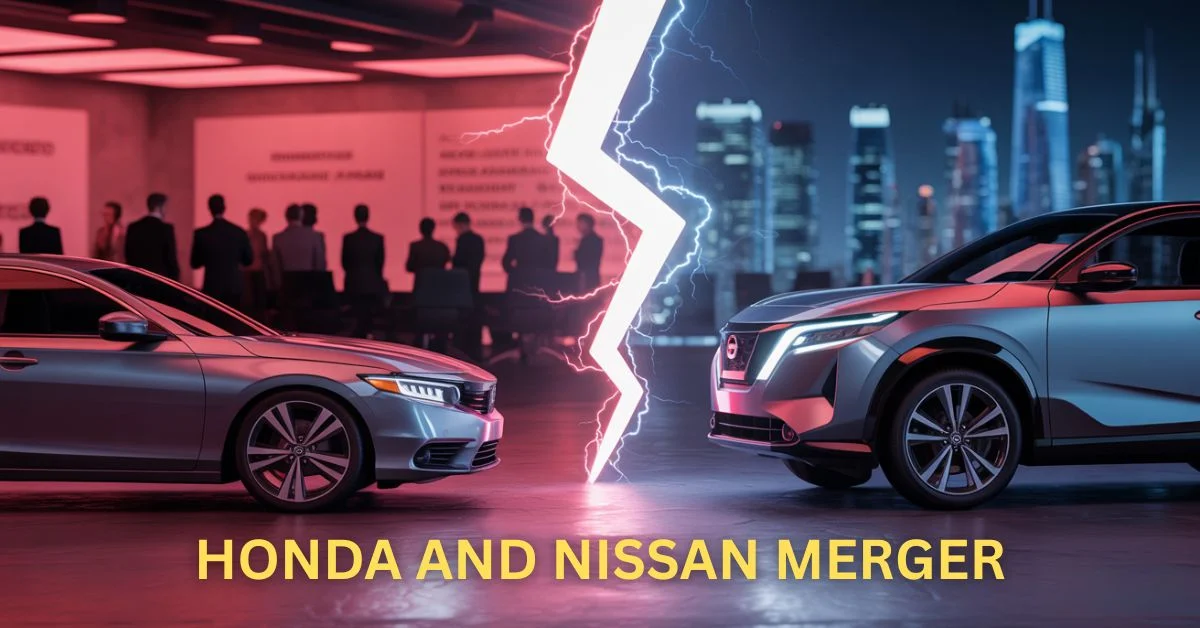
The relationship between Japan’s two largest car makers has become the talk of the town in the automotive industry. The merger discussion between Honda and Nissan has finally concluded after months of rumors and negotiations. An official announcement on February 13, 2025, marked a landmark moment for the two corporations as they navigate the fast-changing world of electric vehicles and advanced automotive technology. In this blog, we will delve into what transpired, the reasons behind the fallout of the deal, and what the future holds for both automakers.
Honda and Nissan Merger Negotiations Reviewed
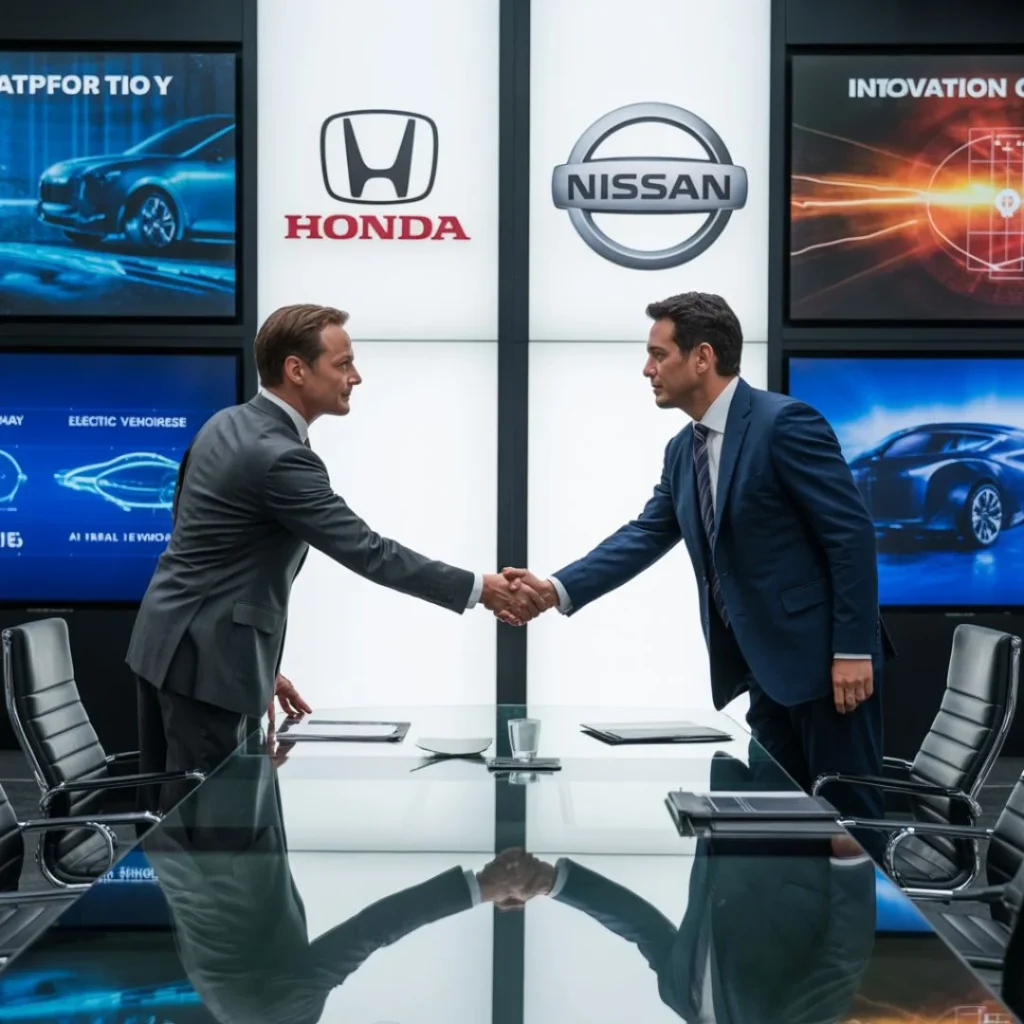
The Honda and Nissan merger talks captured global attention when these two rival firms entered into a memorandum of understanding in December 2024. The proposed deal aimed to transform the Japanese auto industry completely by combining two manufacturing powerhouses into a single entity. Mitsubishi Motors was also involved in discussions, and if that had proceeded, the group would have become an automotive giant rivaling the biggest players in the world.
The vision behind the Honda and Nissan merger made perfect sense strategically. Both companies were facing increasing pressure from Chinese EV makers who offered not only attractive prices but also advanced technologies. Known for their reliable engineering Honda with innovations like the Honda Accord Engine and Nissan with powertrains like the Nissan Altima Engine the manufacturers could have pooled resources, reduced research expenses, and accelerated their electrification process through this union.
Why the Merger Failed: Corporate Structure Disputes
Industry insiders were hinting at problems with the Honda and Nissan merger for weeks before the official announcement. The main issue centered on corporate control and decision-making authority. Nissan wanted to maintain operational independence, whereas Honda’s proposals would have given them majority control in the merged company.
Honda’s CEO Toshihiro Mibe clearly addressed the issue, stating, “It was impossible for both parties to come together and arrive at a common understanding.” Nissan’s President and CEO Makoto Uchida echoed similar sentiments, explaining that while both companies recognized the potential benefits, they could not agree on how to structure the relationship.
The decision to abandon the Honda and Nissan merger talks was not hasty. Both companies saw the potential of combining forces, especially in developing electric vehicle segments and competing against Chinese contenders like BYD the world’s largest EV maker. However, they ultimately concluded that ending negotiations would enable quicker decision-making in an already volatile market.
What Happens Next: Strategic Partnership Over Merger
While the Honda and Nissan merger is off the table, cooperation between the two carmakers continues. Both companies emphasized that they would maintain their strategic partnership focused on intelligence and electric vehicles. This partnership actually predated the merger discussions.
In March 2024, Honda and Nissan announced plans to collaborate on EV development and artificial intelligence technologies. This agreement remains active and will anchor their future relationship. For automotive enthusiasts and mechanics working with traditional powertrains like the Honda Odyssey Transmission or the reliable Nissan Rogue Transmission, this partnership signals continued innovation from both brands while maintaining their individual engineering excellence.
Key Areas of Continued Collaboration:
- Electric vehicle technology development
- Artificial intelligence integration in automotive systems
- Shared research and development initiatives
- Joint strategies to compete with Chinese EV manufacturers
- Innovation in autonomous driving technologies
Comparison: Merger vs. Strategic Partnership
| Aspect | Proposed Merger | Strategic Partnership |
| Corporate Structure | Nissan as Honda subsidiary | Independent companies |
| Decision-Making | Honda-controlled | Mutual cooperation |
| Financial Integration | Complete combination | Separate finances |
| Technology Sharing | Full integration | Selective collaboration |
| Market Competition | Single entity | Allied competitors |
| Autonomy | Limited for Nissan | Maintained for both |
Impact on the Global Automotive Industry
The collapse of the Honda and Nissan merger has broader implications for the automotive world. Japanese automakers face mounting pressure from Chinese competitors, and together, these two manufacturers could have formed a formidable force in the global EV market. Reports indicated that Nissan rejected proposals that would have made it Honda’s subsidiary.
Moving forward, both brands have decided to pursue individual strategies while maintaining collaboration in key technology areas. For those who rely on quality parts from Honda and Nissan for repairs and maintenance whether it’s a Honda Civic Engine or Nissan components this means both companies will continue their legacy of engineering excellence independently while sharing certain innovations.
For car enthusiasts and industry watchers, this development demonstrates that strategic partnerships can sometimes offer more flexibility and value than complete corporate integration, especially in a rapidly evolving industry. Honda’s CEO made it clear the company isn’t actively seeking another merger partner, stating “we have no such plans going forward.” Meanwhile, Nissan announced it would explore “other strategic partnership opportunities that could enhance its corporate value.”
Conclusion
The dissolution of the Honda and Nissan merger talks reflects both a missed opportunity and a pragmatic decision by two automotive giants. While the merged entity could have become a dominant force in the electric vehicle market, fundamental disagreements on corporate structure proved insurmountable. Instead, they will pursue independent strategies while continuing collaboration in critical technological areas.
This development signals to market observers that strategic alliances sometimes provide greater flexibility than total corporate integration, particularly in rapidly transforming industries. Both Honda and Nissan will continue delivering the quality engineering that has made them household names, from reliable internal combustion engines to cutting-edge electric powertrains.
Frequently Asked Questions
When did the Honda and Nissan merger talks officially come to an end?
The merger discussions came to an official end on February 13, 2025, when both manufacturers called off the memorandum of understanding that had been in place since December 2024.
Will Honda-Nissan partnership to a certain extent remain?
Yes, definitely. The two companies have already made it clear that they will keep the alliance which was inaugurated in March 2024, with the main emphasis being on EV technology and AI integration in car systems.
What was the leading factor behind the Honda-Nissan merger failure?
The leading factor was the very discord regarding the division of power and the corporate governance from different companies. Companies’ proposals were such that Nissan would become a subsidiary and this was the main reason of the Nissan’s leadership’s refusal as they wanted to keep the operational independence.
Is there any chance that the Honda-Nissan merger talks might get a reboot in the future?
Honda CEO Toshihiro Mibe thinks that it is unlikely to reopen merger negotiations. He made it very clear that both parties were unable to come to an agreement and moreover, Honda does not intend to work towards business integration with Nissan in the future.
What is the outcome of this situation for Mitsubishi Motors?
Mitsubishi was part of the separate talks regarding the union of the combination. The termination of Honda and Nissan merger discussions also took place along with the termination of the agreement involving Mitsubishi. Mitsubishi confirmed in its own statement that all the discussions among the parties have been concluded.