Table of Contents
Coolant is the most significant and yet the most overlooked fluids in your car. It is important in ensuring that it regulates the temperature of the engine, avoids overheating on hot weather, avoids freezing on cold weather and corrosion of the inner parts of the engine as well as build up.
Although it is an important point, there is a lot of confusion among the drivers regarding the various types, colors and myths associated with coolant, especially in terms of mixing the products or water as an alternative. Knowledge in the mechanism of coolant and in the selection of the correct type of coolant can greatly help in the performance of your vehicle, reliability and health of your engine in the long run.
What Does Coolant Do?
Coolant also called antifreeze or cooling fluid performs three critical functions in your vehicle:
- Prevents freezing: It lowers the freezing point of the liquid in your cooling system during winter, keeping your engine protected in sub-zero temperatures.
- Prevents overheating: It raises the boiling point of the liquid, ensuring your engine doesn’t overheat in summer heat or under heavy load.
- Protects against corrosion: It contains chemical inhibitors that protect metal components including aluminum, steel, copper, and cast iron from rust, corrosion, and scale buildup.
Proper coolant maintenance is as critical as regular oil changes for engine longevity, protecting vital engine components from heat-related damage that could require costly engine replacement.
How the Cooling System Protects Your Engine
The cooling system works in tandem with other critical engine systems to maintain optimal operating temperature. While coolant protects the engine block and cylinder heads, components like the alternator, camshaft position sensor, and ignition coil also rely on proper engine temperature management to function correctly. Overheating caused by coolant failure can damage not only the engine itself but also the transmission, as transmission fluid temperatures rise when engine cooling fails. If severe overheating occurs, you may need remanufactured engines or replacement transmissions to restore your vehicle. Understanding coolant basics helps prevent these expensive repairs.
The Different Types of Coolants Explained
Modern cars are designed with an extensive range of cooling systems materials including aluminum alloy and magnesium up to nylon and copper. This variety has resulted into the establishment of different varieties of coolants, each of which is expected to perform optimally with particular materials and vehicles. The following are the three major ones:
1. Inorganic Additive Technology (IAT)
IAT is the old-fashioned, time-tested and trial coolant formula. It was normally bright green in color and the standard of older vehicles whose components were mostly made of brass, rubber and cast iron. Although still in use, IAT coolant is quite inefficient in comparison to the modern-day coolant and must be replaced every two years or so. The majority of current automobiles have abandoned IAT.
2. Organic Acid Technology (OAT)
OAT is a significant advancement in the cooling fluid. It is prepared using organic acids that offer lengthy protection to the current engine components especially the aluminum. OAT coolant is usually available in orange, red, yellow, or purple and the standard coolant in general motors cars. The greatest benefits that it has to offer include its durability: OAT may take up to 50,000 miles or five years to change, which is a major factor that minimizes the frequency of maintenance.
3. Hybrid Organic Acid Technology (HOAT)
HOAT is an amalgamated formula based on OAT, to bring forth the ideal features of IAT and OAT. It has a better corrosion resistance against a wider variety of metals and is mostly applied to the Chrysler and Ford vehicles. HOAT is usually available in orange or yellow, and has a service life as strong as five to ten years. HOAT is a good option to drivers who want a long performance cooling oil that is all-purpose.
Coolant Types Comparison Table
| Type | Formula | Common Colors | Service Interval |
| IAT | Inorganic Additive Technology | Green | Every 2 years |
| OAT | Organic Acid Technology | Orange, Red, Yellow, Purple | Up to 5 years / 50,000 miles |
| HOAT | Hybrid Organic Acid Technology | Orange, Yellow | 5 to 10 years |
Does Different Color Coolant Actually Matter?
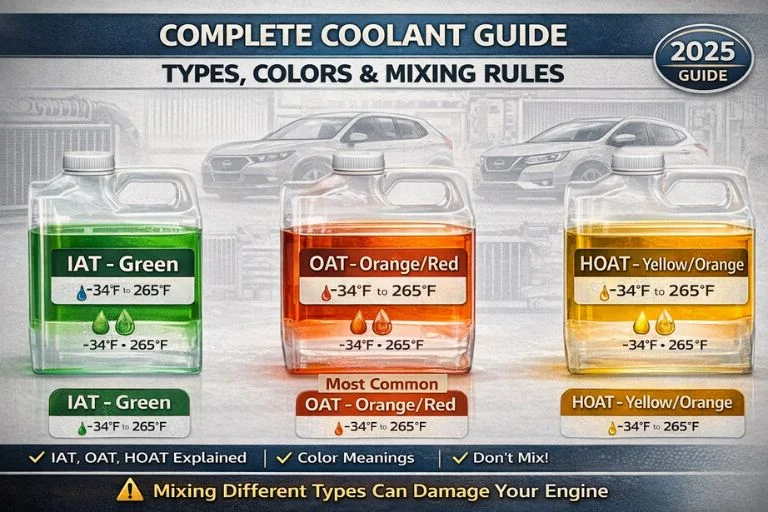
Yes, color of coolant does count but in this case primarily as a measure of the chemical composition and not as a measure of cooling capacity. The various colors like green, orange, pink, blue, and yellow usually depict various technologies like IAT (Inorganic Additive Technology), OAT (Organic Acid Technology), and HOAT (Hybrid Organic Acid Technology) all aimed at protecting various engine materials, and addressing the needs of the manufacturers.
Although the dye is not performance-influencing, it assists in determining the suitability of the coolant to use in your vehicle. Mixing dissimilar ones may result in chemical reaction to produce sludge or gel, which make radiators clogged, corroded, less heat transfer, damage to water pump, overheating, and even engine failure. This is why it is necessary to pay attention to the recommendation of your vehicle manufacturer and not to confuse the coolants with each other without flushing this system.
Can You Mix Orange and Green Coolant?
The answer is No, mixing different types of coolants like orange and green is generally a bad idea. These products are formulated with different chemical inhibitors that can react negatively when combined, reducing their effectiveness and potentially causing deposits or corrosion within your cooling system. If you’re unsure what’s currently in your system, flush it completely before adding new coolant.
Can You Use Water as Coolant? What About Putting Water into the Coolant Tank?
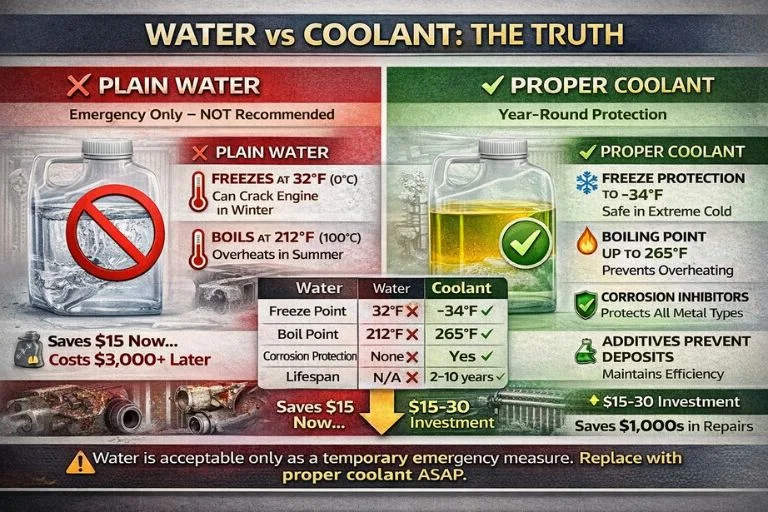
Yes, water can temporarily cool your engine. However, using plain water long-term is strongly discouraged for several important reasons:
- No freeze protection: Water freezes at 32°F (0°C), which can crack your engine block in cold weather.
- Lower boiling point: Water boils at 212°F (100°C), making overheating more likely under normal driving conditions.
- No corrosion inhibitors: Water contains minerals that can cause rust and scale buildup inside your cooling system over time.
According to Consumer Reports’ automotive maintenance guidelines, using proper coolant instead of water is one of the most cost-effective ways to prevent expensive engine repairs and extend vehicle life.
Special Considerations for Hybrid and Electric Vehicles
If you own a hybrid or electric vehicle, you have fewer choices when it comes to coolant. These vehicles typically use proprietary cooling systems designed to manage the battery pack as well as the motor. They require a specially formulated coolant that is electrically non-conductive and compatible with the battery system. Always use only the manufacturer-specified product using a standard automotive cooling fluid in an EV or hybrid can cause serious damage. Modern electric vehicles from manufacturers like BYD and Lucid Motors use advanced thermal management systems that require specific coolant formulations.
Pro Tips for Managing Your Cooling Fluid
- Whenever buying any coolant product, always refer to your owner manual. Consumer Reports’ automotive fluid maintenance guides provide independent testing and recommendations for choosing quality coolant products that meet manufacturer specifications.
- Do not confuse the coolants of various types unless the system must be flushed.
- Most of the coolants sold in stores are pre-diluted you do not have to add any water unless it is indicated on the label.
- Take note of the type of coolant that you use such that you do not change.
- You can visit your dealership when in doubt they can help you the specific product to use in your vehicle.
- Check the coolant color regularly: in case it is dark and cloudy, or contains particles, test it or change it.
Cooling System Components That Work with Coolant
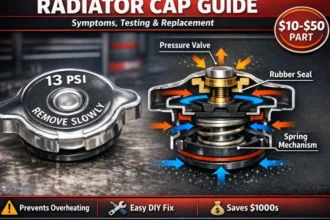
Your cooling system is more than just the coolant itself. The radiator cap maintains system pressure, which is crucial for coolant performance. A faulty radiator cap can cause coolant to boil at lower temperatures, reducing its effectiveness and potentially leading to overheating. Regular inspection of all cooling system components ensures your coolant can do its job properly.
Conclusion
Coolant is much more than a coloured fluid which fills the reservoir of your car it is a calculated formula which keeps your engine secure under intense heat, under the bone of your bones, and everywhere in between. Knowing the various kinds of coolants, the fact that various color coolants do not mean different quality, as well as the dangers of using water in the coolant can enable you to make better judgments concerning the maintenance of your car. The easiest way to do it is by simple consulting your owner’s manual, filling up with the suggested cooling fluid, and ensuring that you do not combine incompatible items.
Regular coolant maintenance is part of a comprehensive vehicle care routine. If you’re experiencing cooling system issues or need quality replacement parts, Tagore Auto Parts offers OEM and remanufactured engines and transmissions to keep your vehicle running reliably. Basic knowledge can save your engine a lot of time and save you the cost of paying high bills in future. Need some assistance with your car cooling system? One of the simplest and least expensive methods of making your car live longer is simply to stop by your local dealership or authorized mechanic who is in charge of keeping your coolant in its best condition.
Frequently Asked Questons
What is the frequency of changing my coolant?
It depends on the type. The IAT coolant is to be changed after every two years. OAT coolant can last between 50,000 miles or 5 years. HOAT can go five to ten years. Always ensure that you live by what your manufacturer says.
Is it possible to add water in the coolant tank as a long-term solution?
No. Water may be used as an emergency top-up, although it does not offer good freeze protection, higher boiling point or the corrosion inhibitors of good coolant. As soon as possible, replace with the proper product of coolant.
What is the color of coolant supposed to be?
Coolant has a variety of colors green, orange, yellow, red, and purple according to the formula. The type does not just tell you reading by the color. It is important that it is clear and bright, dark or even unclear coolant can be impure.
Is all coolant the same?
No. Three categories of coolants are used: IAT, OAT, and HOAT and are incompatible with each other. The incorrect type may decrease the corrosion protection and may even destroy your cooling system.
Is it possible to put radiator water instead of coolant?
As a very short-term measure of emergency. Radiator water (distilled in particular) will only temporarily inhibit overheating, but not freeze or corrosion of your engine. Start refilling the correct coolant as soon as possible.