Table of Contents
Imagine heading out for an off-road trip or your daily drive, trusting your Jeep Wrangler’s tough performance and safety only to find out that an important warning system has quietly stopped working. In August 2025, Stellantis announced a major Jeep Wrangler recall affecting more than 110,000 vehicles across North America due to a problem with the Tire Pressure Monitoring System (TPMS). This isn’t a small issue. If the TPMS fails, you might not know when your tires are dangerously low on air, which can lead to blowouts and loss of control on the highway.
The Jeep Wrangler tire-pressure recall has quickly become the talk of the town among the owners, who are trying to figure out whether their SUV is affected and what to do next. So, whether you use your Wrangler for off-roading, road trips, or everyday driving, in this blog, we will break down everything you need to know about the Jeep Wrangler recall August 2025, including which models are affected, what the issue is, and how to quickly get your vehicle inspected and repaired. Whether you’re hitting the trails or driving around town, understanding this recall is essential for keeping your Wrangler safe and reliable.
Understanding the Wrangler Tire Pressure Recall
The wrangler tire pressure recall specifically addresses malfunctions in the Tire Pressure Monitoring System, a federally mandated safety feature designed to alert drivers when tire pressure drops below safety levels. According to the National Highway Traffic Safety Administration (NHTSA), the affected Wranglers may experience intermittent or complete TPMS failures, potentially leaving drivers unaware of dangerous tire pressure conditions. This Jeep Wrangler recall TPMS issue stems from a software glitch in the vehicle’s electronic control unit that processes tire pressure data. When the system fails, the dashboard warning light may not illuminate even when tire pressure falls significantly below recommended levels, creating a serious safety hazard, especially during high-speed highway driving or challenging off-road conditions.
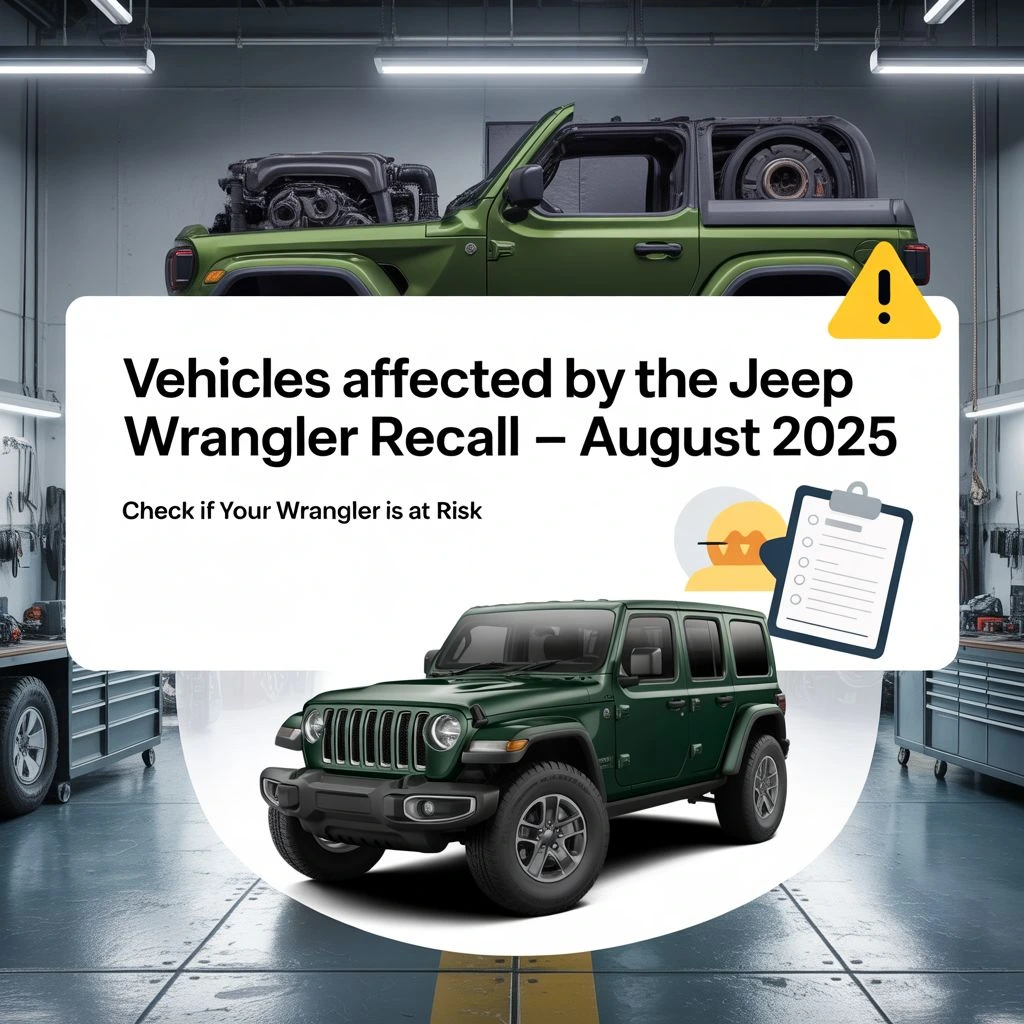
Vehicles Affected by the Jeep Wrangler Recall August 2025
The Jeep Wrangler recall August 2025 impacts specific model years and trim levels manufactured between January 2024 and July 2025. Here’s a breakdown of the affected vehicles:
| Model Year | Trim Levels Affected | Production Dates | Estimated Units |
|---|---|---|---|
| 2024 | Sport, Sahara, Rubicon | Jan 2024 – Dec 2024 | 47,000 |
| 2025 | Sport, Willys, Sahara, Rubicon, 4xe | Jan 2025 – Jul 2025 | 63,000 |
Understanding where are Jeep Grand Cherokees manufactured versus Wranglers helps clarify the scope of this recall. While Grand Cherokees are primarily produced at the Detroit Assembly Complex in Michigan, Wranglers are manufactured at the Toledo Assembly Complex in Ohio. This Jeep Wrangler recall is specific to the Toledo facility’s production line, where the TPMS software integration occurred during the affected timeframe.
What are the Key Safety Concerns and Risks?
The implications of this Jeep Wrangler recall TPMS issue extend beyond a simple dashboard warning light malfunction often includes:
- Increased Blowout Risk: Underinflated tires generate excessive heat, particularly during extended highway driving or when carrying heavy loads
- Reduced Fuel Efficiency: Low tire pressure increases rolling resistance, decreasing miles per gallon by up to 3%
- Compromised Handling: Improper tire pressure affects steering response and braking performance
- Accelerated Tire Wear: Underinflated tires wear unevenly, requiring premature replacement
- Off-Road Safety: For Wrangler owners who regularly traverse challenging terrain, proper tire pressure is critical for traction and control
What Affected Owners Should Do?
- Verify your vehicle’s inclusion – Check your Vehicle Identification Number (VIN) through the NHTSA website or Jeep’s recall portal to confirm if your Wrangler is affected.
- Schedule a service appointment – Contact your local authorized Jeep dealership to arrange a convenient time for the software update.
- Get the free repair – Have the software update performed at no cost to you.
- Obtain repair documentation – Request written confirmation that the recall repair has been completed for your personal records.
- Monitor tire pressure manually – Continue checking your tire pressure regularly until the software update is installed.
Conclusion
The Jeep Wrangler recall August 2025 serves as an important reminder that even the most capable vehicles require vigilant safety monitoring. While the Jeep Wrangler recall TPMS issue is concerning, Stellantis’s proactive approach demonstrates commitment to owner safety. If you own an affected Wrangler, don’t delay, contact your dealership today to schedule the necessary software update. Your safety and the longevity of your vehicle depends on addressing this recall promptly. Stay informed, stay safe, and keep your Wrangler adventure-ready.
Frequently Asked Questions
How do I know if my Jeep Wrangler is affected by the recall?
Visit the NHTSA website or Jeep’s official recall page and enter your 17-digit VIN to determine if your vehicle is included in the Jeep Wrangler recall August 2025.
Is it safe to drive my Wrangler before getting the recall repair?
While Stellantis hasn’t issued a “do not drive” warning, manually check your tire pressure weekly and respond immediately to any TPMS warning lights until the software update is completed.
Will this recall affect my vehicle’s warranty?
No, recall repairs are performed at no cost and do not impact your existing warranty coverage.
How long will the repair take?
The TPMS software update typically requires 30-45 minutes at an authorized dealership.
Are other Jeep models affected?
Currently, only specific Wrangler models are included in this recall. Grand Cherokee owners asking where are Jeep Grand Cherokees manufactured should know their vehicles use different systems and aren’t affected.