
Table of Contents
Understanding and following the Illinois rules of the road is not just a legal requirement, it’s a fundamental responsibility that every driver must embrace to ensure the safety of themselves and others on the state’s roadways. From the busy streets of Chicago to the quiet rural routes of southern Illinois, these regulations create a uniform framework that guides driver behavior and reduces the risk of accidents. Whether you’re a first-time driver studying for your permit test or an experienced motorist who needs a refresher, comprehensive knowledge of Illinois traffic laws is indispensable for navigating the state’s diverse driving environments safely and confidently.
Understanding the Foundation of Illinois Rules of the Road
The Illinois Rules of the Road handbook, published by the Illinois Secretary of State, provides the foundation for safe and responsible driving across the state. It includes information on everything from traffic signs to navigating intersections and is regularly updated to reflect new laws and safety issues. Knowing these rules isn’t just about passing the driving test—it helps promote consistent driving behavior, prevent accidents, protect pedestrians, and keep traffic moving smoothly on all Illinois roads, whether in busy cities like Chicago or in rural areas. You can read the official Illinois Rules of the Road handbook directly from the Illinois Secretary of State here for the most accurate and updated information:
https://www.ilsos.gov/publications/pdf_publications/dsd_a112.pdf
Essential Traffic Laws Every Illinois Driver Must Know
Right-of-Way Rules
Knowing who has the right-of-way is important when driving in Illinois. At a four-way stop, the car that arrives first goes first. If two or more cars get there at the same time, the driver on the right goes first. When entering the road from a driveway or parking lot, you must let all cars and pedestrians already on the road go before you.
At intersections without traffic lights, let vehicles already in the intersection go first, and if you arrive at the same time as another driver, let the one on your right go first. Always yield to emergency vehicles with flashing lights or sirens by pulling over to the right side of the road and stopping until they pass.
Smooth Driving Reminder:
Right-of-way rules help prevent collisions, but your vehicle’s condition matters too. If you feel jerking, delayed shifting, or unusual noises while driving through intersections, your gearbox may need attention. Many drivers choose a reliable used transmission as an affordable option to restore safe vehicle operation.
Speed Limits and Regulations
Illinois maintains strict speed limit regulations that vary depending on the type of roadway:
Standard Speed Limits in Illinois:
| Road Type | Speed Limit |
| Urban Districts | 30 mph |
| Rural Highways | 55 mph |
| Interstate Highways (outside urban areas) | 70 mph |
| School Zones (when children are present) | 20 mph |
| Construction Zones (when workers present) | Reduced, as posted |
It’s crucial to note that these are maximum limits under ideal conditions. The Illinois rules of the road emphasize that drivers must reduce speed during adverse weather, heavy traffic, or poor visibility conditions.
Intersection and Traffic Signal Compliance
Red lights and stop signs require complete stops behind the marked line, crosswalk, or intersection entrance. A right turn on red is permitted after stopping unless otherwise posted, but drivers must yield to pedestrians and oncoming traffic. Yellow lights indicate that the signal is about to turn red, and drivers should stop if it’s safe to do so rather than attempting to race through the intersection.
Special Driving Situations and Requirements
School Zones and Bus Safety
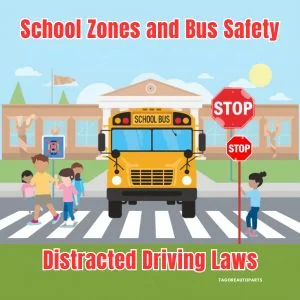
The Illinois rules of the road place significant emphasis on protecting school children. When a school bus activates its stop arm and flashing red lights, all traffic in both directions must stop regardless of the number of lanes and remain stopped until the bus deactivates its signals. The only exception is when you’re traveling in the opposite direction on a divided highway with a barrier or unpaved median. School zone speed limits are strictly enforced, and violations carry enhanced penalties. Drivers should be particularly vigilant during morning and afternoon hours when children are walking to and from school.
Distracted Driving Laws
Illinois has comprehensive laws addressing distracted driving. The use of handheld electronic devices while driving is prohibited statewide that includes:
- Texting or emailing while driving
- Using social media while operating a vehicle
- Watching videos on handheld devices
- Making phone calls without hands-free technology
First-time violations result in fines, while subsequent offenses carry increased penalties and may result in license suspension.
Licensing Requirements and Documentation
Driver’s License Classifications
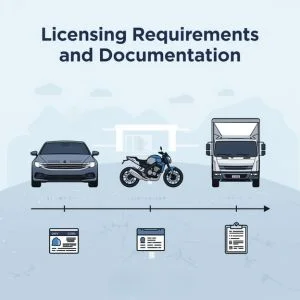
Understanding the proper license classification is an important aspect of the Illinois rules of the road. Illinois issues several types of licenses:
- Class D License: Standard operator’s license for most passenger vehicles
- Class M License: Motorcycle operation
- Commercial Driver’s License (CDL): Required for operating commercial vehicles
- Graduated Driver’s License (GDL): Multi-stage licensing program for drivers under 21.
Required Vehicle Documentation
Every driver must maintain current documentation while operating a vehicle:
- Valid driver’s license
- Current vehicle registration
- Proof of insurance meeting Illinois minimum requirements
- For commercial vehicles, appropriate logbooks and permits
Safety Equipment and Vehicle Requirements
The Illinois rules of the road mandate specific safety equipment for all vehicles operating on state roadways:
Mandatory Safety Equipment:
- Functioning headlights, taillights, and brake lights
- Working turn signals
- Proper mirrors (driver’s side and rearview)
- Adequate tire tread depth (minimum 2/32 inch)
- Functional windshield wipers
- Horn in working condition
- Seat belts for all occupants
Additionally, Illinois law requires all passengers to wear seat belts regardless of seating position. Children must be secured in appropriate car seats or booster seats based on their age, weight, and height until they reach 8 years of age.
Recall Awareness:
Along with required safety equipment, Illinois drivers should stay updated on current Toyota vehicle recall models. Recalls often involve safety hazards like airbag issues, engine problems, or braking concerns. Checking your VIN against recall notices ensures your vehicle meets Illinois safety expectations.
Vehicle Performance Tip:
Driving safely also depends on maintaining your vehicle’s engine health. Older cars or high-mileage vehicles often show reduced performance or overheating signs. If your vehicle struggles to keep up with highway speeds, it may be time to check for issues or consider a used engine replacement to maintain safe driving conditions on Illinois roads.
Recall Awareness:
Along with required safety equipment, Illinois drivers should stay updated on current Toyota vehicle recall models. Recalls often involve safety hazards like airbag issues, engine problems, or braking concerns. Checking your VIN against recall notices ensures your vehicle meets Illinois safety expectations.
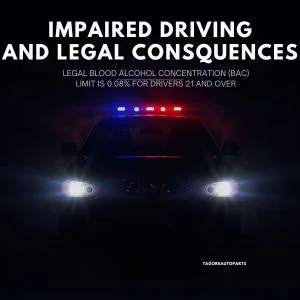
Impaired Driving and Legal Consequences
Illinois maintains a zero-tolerance approach to impaired driving. The legal blood alcohol concentration (BAC) limit is 0.08% for drivers 21 and over, and 0.00% for drivers under 21. Refusing to submit to chemical testing results in automatic license suspension under implied consent laws.
Penalties for DUI convictions include:
- License suspension or revocation
- Substantial fines and court costs
- Possible jail time
- Mandatory alcohol education programs
- Installation of breath alcohol ignition interlock device (BAIID)
Parking Regulations and Restrictions
Proper parking is an often-overlooked component of the Illinois rules of the road. Illegal parking can result in tickets, towing, and even safety hazards. Never park:
- Within 15 feet of a fire hydrant
- In front of driveways or blocking access
- In designated handicapped spaces without proper placards
- Within 20 feet of a crosswalk at an intersection
- On expressways or interstate highways except in emergencies
- In posted no-parking zones
Many drivers are also watching ongoing automotive cases such as the General Motors V8 Engine Lawsuit, which highlights concerns about engine durability and long-term reliability. Staying aware of such updates helps Illinois drivers make informed decisions when maintaining, repairing, or replacing their engines.
Conclusion
Understanding and following the Illinois Rules of the Road is essential for ensuring safety and responsibility among all road users. These laws are designed not only to regulate traffic but also to protect lives whether you’re driving through downtown Chicago, suburban neighborhoods, or rural highways. By obeying speed limits, yielding appropriately, avoiding distractions, and maintaining a properly equipped vehicle, drivers contribute to a safer driving environment for everyone. Staying informed about licensing requirements, DUI laws, and parking regulations also helps prevent costly penalties and legal issues. Ultimately, responsible driving in Illinois begins with knowledge, awareness, and a commitment to safety every time you get behind the wheel.
Frequently Asked Questions
How often do I need to renew my Illinois driver’s license?
Illinois driver’s licenses are typically valid for four years. You’ll receive a renewal notice before expiration, and you can renew online, by mail, or in person at a Secretary of State facility.
What should I do if I’m involved in a traffic accident in Illinois?
Stop immediately, check for injuries, call 911 if anyone is hurt, exchange information with other drivers, document the scene with photos, and report the accident to police if there are injuries, deaths, or property damage exceeding $1,500.
Are radar detectors legal in Illinois?
Yes, radar detectors are legal for passenger vehicles in Illinois. However, they are prohibited in commercial vehicles weighing over 10,000 pounds.
What is Illinois’s Move Over Law?
Illinois law requires drivers to move over one lane (when safe) or slow down when approaching stopped emergency vehicles, tow trucks, or maintenance vehicles with flashing lights on the roadside.
Can I use my out-of-state license in Illinois?
Visitors may drive in Illinois with a valid out-of-state license. However, new residents must obtain an Illinois license within 90 days of establishing residency.