
Table of Contents
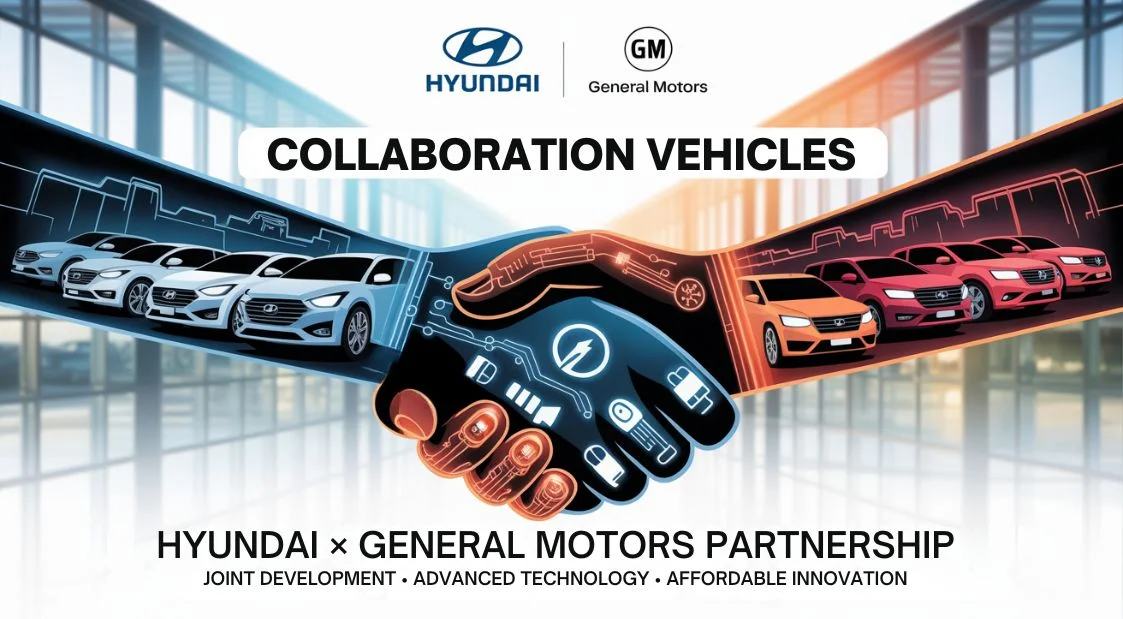
The automotive industry is witnessing a groundbreaking partnership that promises to reshape the future of vehicle manufacturing and technology. The recent announcement of Hyundai GM collaboration vehicles has sent ripples through the automotive world, signaling a strategic alliance between two industry giants. This partnership brings together Hyundai’s innovative approach to electric and hybrid technology with General Motors’ extensive manufacturing expertise and market presence.
As the automotive landscape continues to evolve with increasing demand for sustainable transportation solutions, understanding the implications of this collaboration is crucial for consumers, investors, and industry professionals. This revolutionary partnership represents a turning point in how major automakers are approaching vehicle development and innovation, impacting everything from advanced powertrains to the reliability of individual components like Ford F-150 engines and Hyundai Sonata engines.
Understanding the GM Hyundai Partnership
The GM Hyundai partnership represents a strategic move by both manufacturers to pool resources, share technology, and accelerate innovation in an increasingly competitive market. This collaboration focuses on several key areas that will reshape the industry:
Joint Development of Advanced Powertrain Technologies: Both companies are combining their expertise to create next-generation hybrid and electric powertrains that deliver superior performance and efficiency, drawing on decades of engine development experience from vehicles like the Honda Civic and Toyota Camry.
Shared Manufacturing Facilities and Supply Chain Optimization: By consolidating production facilities, the partnership reduces operational costs while maintaining quality standards across both brands. This streamlined approach will benefit consumers through more efficient production of critical components.
Co-Development of Electric and Hybrid Vehicle Platforms: The shared EV platforms will accelerate the transition to sustainable transportation while keeping costs manageable for consumers. Both manufacturers will leverage their transmission expertise, incorporating advanced systems similar to the Ford F-150 transmission and other proven powertrains.
Combined Research and Development Initiatives: Joint R&D efforts focus on autonomous driving systems, connectivity features, and next-generation battery technology that neither company could develop as efficiently alone.
The general motors Hyundai vehicles development initiative aims to reduce costs by 30-40% while improving vehicle quality and performance. By leveraging each company’s strengths, the partnership creates synergies that benefit both manufacturers and, ultimately, result in better value for consumers. This collaborative approach demonstrates how strategic alliances are becoming essential in the modern automotive industry.
Key Features of Hyundai GM Collaboration Vehicles
Advanced Hybrid Technology
One of the most exciting aspects of this partnership is the development of GM hybrid vehicles in conjunction with Hyundai’s proven hybrid systems. The collaboration combines:
- Fuel Efficiency: Enhanced powertrain efficiency delivering superior miles per gallon
- Performance: Seamless integration of electric and combustion engines for optimal power delivery
- Sustainability: Reduced emissions meeting stringent environmental regulations
- Cost-Effectiveness: Shared development costs translating to more affordable pricing for consumers
How GM and Hyundai Are Streamlining EV Development
The GM Hyundai joint vehicles will utilize shared platforms, reducing development time and costs while maintaining each brand’s distinct identity and characteristics.
| Collaboration Aspect | Benefits | Expected Timeline |
| Shared EV Platforms | Reduced development costs by 30-40% | 2025-2027 |
| Joint Manufacturing | Improved production efficiency | 2026 onwards |
| Technology Sharing | Accelerated innovation cycles | Ongoing |
| Supply Chain Integration | Better component pricing and availability | 2025-2026 |
Impact of the Hyundai–GM Collaboration on the Automotive Market
The emergence of Hyundai GM collaboration vehicles is expected to significantly impact the automotive market in several transformative ways:
Market Competition and Competitive Advantage
This alliance creates a formidable competitor to other automotive partnerships and solo manufacturers, potentially reshaping market dynamics. The combined market share and resources of Hyundai and GM give them unprecedented leverage in negotiations with suppliers and unprecedented capacity for innovation across their entire vehicle lineup.
Enhanced Consumer Choice
Buyers will benefit from more diverse vehicle options that combine the best features from both manufacturers, offering improved value propositions. Whether consumers prefer Hyundai’s refined engineering or GM’s robust performance heritage, the partnership ensures both brand identities remain distinct while sharing technological advantages. This collaborative approach will eventually influence vehicle choices for everything from compact cars to Dodge Ram engines and Honda Odyssey engines.
Dealership networks established throughout the country will play crucial roles in bringing these collaborative vehicles to consumers, providing expert sales and service support.
Innovation Acceleration
The partnership accelerates the pace of automotive innovation, particularly in electrification and autonomous driving technologies. Hyundai’s advanced driver assistance systems combined with GM’s safety features create industry-leading safety profiles that exceed current standards.
Research and development timelines that typically span 5-7 years can now be compressed to 3-4 years through shared resources and collaborative development. This acceleration means consumers will benefit from cutting-edge technology reaching the market years ahead of traditional timelines.

What Consumers Can Expect from the GM–Hyundai Partnership
As the general motors Hyundai vehicles development progresses, consumers can anticipate:
- Better after-sales service through expanded dealership networks
- More affordable electric and hybrid options with extended range capabilities
- Advanced safety features incorporating cutting-edge technology from both manufacturers
- Improved build quality through shared best practices and quality control measures
- Enhanced warranty programs backed by two major automotive companies
Hyundai GM Collaboration Vehicles Timeline
Understanding when these revolutionary vehicles will arrive helps consumers plan their purchasing decisions:
Late 2025: First hybrid models begin reaching showrooms
Early 2026: Initial electric vehicle launches at select markets
Mid-2026: Full rollout of collaborative platform vehicles across North America
2027: Expansion to international markets with region-specific models
2028: Second-generation collaborative vehicles with enhanced autonomous features
This aggressive timeline demonstrates both manufacturers’ commitment to bringing products to market quickly while maintaining quality standards.
Conclusion
The Hyundai GM collaboration vehicles initiative represents a significant milestone in automotive industry evolution. By combining their respective strengths in manufacturing expertise, hybrid technology, and electric vehicle innovation, General Motors and Hyundai are positioning themselves to meet future challenges while delivering enhanced value to consumers.
This partnership demonstrates how strategic collaboration can drive innovation, reduce costs, and accelerate the transition to sustainable transportation. As these GM Hyundai joint vehicles begin rolling off production lines starting in late 2025, they promise to offer consumers compelling options that blend cutting-edge technology with practical affordability.
Frequently Asked Questions
When will the first Hyundai GM collaboration vehicles be available?
The first vehicles from this partnership are expected to reach showrooms by late 2025 or early 2026, with initial launches focusing on hybrid and electric models.
Will these vehicles be sold under both brand names?
While specific branding strategies haven’t been fully disclosed, each manufacturer will likely maintain its distinct brand identity while utilizing shared platforms and technologies.
How will this partnership affect vehicle pricing?
The collaboration is expected to reduce production costs, potentially making advanced vehicles more affordable for consumers through economies of scale.
Where can I learn more about upcoming models?
Visit authorized dealers like Twin City Hyundai or check official GM and Hyundai websites for the latest updates on collaborative vehicle releases