
Table of Contents
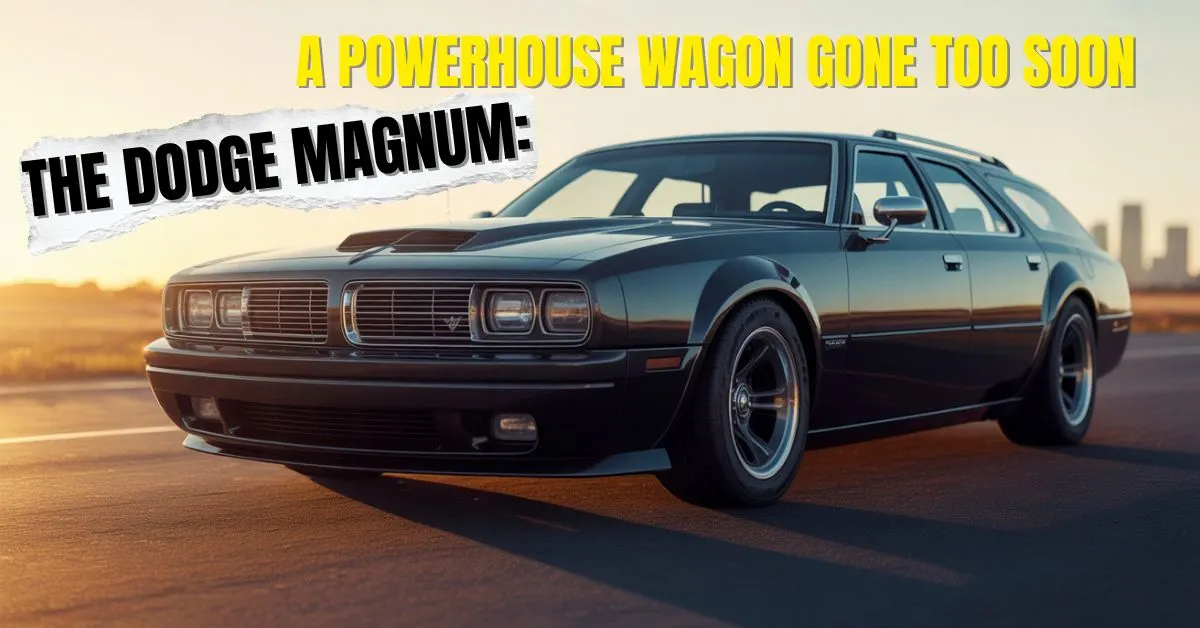
The Dodge Magnum remains one of the most distinctive and polarizing vehicles in American automotive history. This full-size station wagon, which roared onto the scene in 2005, combined aggressive styling with practical cargo space and available V8 power, a combination that seemed perfect for enthusiasts seeking both utility and performance. Yet, despite its unique positioning and cult following, the Dodge Magnum was discontinued after just six model years. Understanding the rise and fall of this bold wagon provides valuable insights into automotive market trends, consumer preferences, and the challenges of introducing unconventional vehicles in a shifting marketplace.
The Dodge Magnum Legacy: A Brief History
The Dodge Magnum nameplate actually dates back to the 1970s, when it adorned a series of personal luxury coupes. However, the modern interpretation that captured enthusiasts’ imaginations arrived in 2005 as a completely reimagined vehicle. Built on Chrysler’s LX platform the same architecture underpinning the Chrysler 300 and Dodge Charger the Magnum brought rear-wheel-drive performance to the station wagon segment.
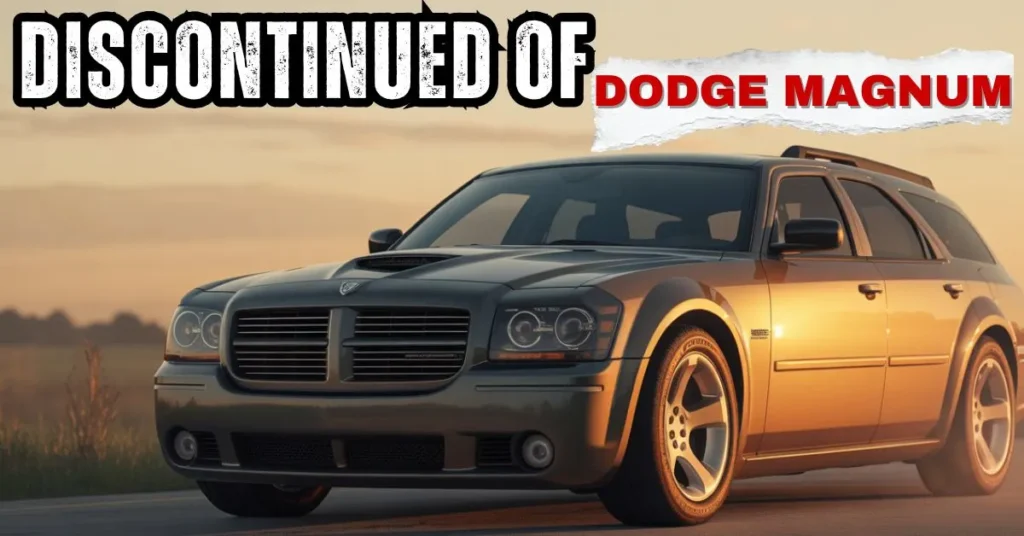
From its inception, the Dodge Magnum stood out with its aggressive, muscular styling that borrowed design cues from classic American muscle cars. The wagon featured a long hood, prominent grille, and squared-off rear end that made it instantly recognizable on the road. This wasn’t your typical family hauler; it was a statement vehicle that appealed to buyers who refused to compromise between practicality and performance.
Performance Variants and Engine Options
One of the Dodge Magnum’s strongest selling points was its diverse engine lineup that catered to various performance appetites and budgets:
Available Powertrains
● 2.7L V6: The base engine produced 190 horsepower, offering adequate power for daily driving and reasonable fuel economy
● 3.5L V6: This mid-range option delivered 250 horsepower, providing a noticeable performance upgrade
● 5.7L HEMI V8: The legendary HEMI engine generated 340 horsepower, transforming the wagon into a genuine performance machine
● 6.1L HEMI V8 (SRT8): The range-topping SRT8 variant packed 425 horsepower, making it one of the fastest wagons ever produced
The availability of the HEMI V8, particularly in the high-performance SRT8 trim, set the Dodge Magnum apart from virtually every competitor in the station wagon segment. This wagon could accelerate from 0-60 mph in under 5 seconds performance figures that rivaled sports cars of the era.
Practical Features and Interior Space
Beyond its performance credentials, the Dodge Magnum excelled in its primary mission as a cargo hauler. The wagon offered impressive utility features:
Cargo Capacity:
● 27.2 cubic feet behind the rear seats
● 71.6 cubic feet with rear seats folded flat
● Flat load floor for easy loading and unloading
● Available rear-facing third-row seat (early models)
The interior featured a driver-focused cockpit with available premium materials, navigation systems, and advanced audio options. While not as luxurious as some European competitors, the Magnum provided a comfortable environment with a distinctly American character.
Market Performance and Sales Figures
| Model Year | Units Sold (Approximate) | Notable Changes |
| 2005 | 55,000+ | Initial launch year |
| 2006 | 45,000+ | Peak sales period |
| 2007 | 38,000+ | Minor updates |
| 2008 | 28,000+ | Declining sales begin |
The sales trajectory tells a revealing story. The Dodge Magnum experienced strong initial interest but faced steadily declining sales as the novelty wore off and market conditions shifted. By 2008, the writing was on the wall for this unconventional wagon.
Why the Dodge Magnum Was Discontinued?
Understanding why the Dodge Magnum was discontinued requires examining multiple factors that converged to make the vehicle commercially unviable:
1. Declining Station Wagon Market
The American station wagon segment had been in steady decline for decades, with SUVs and crossovers capturing buyers who once favored traditional wagons. Despite the Magnum’s unique positioning, it couldn’t reverse this fundamental market trend. Consumers increasingly preferred the higher seating position and perceived versatility of crossover vehicles.
2. Rising Fuel Prices
The mid-to-late 2000s saw dramatic spikes in gasoline prices, with costs exceeding $4 per gallon in many markets. The Dodge Magnum, particularly variants equipped with thirsty V8 engines, suffered poor fuel economy that made them increasingly unattractive to budget-conscious buyers. The timing couldn’t have been worse for a large, performance-oriented vehicle.
3. Economic Recession
The 2008 financial crisis devastated automotive sales across the industry. Large, discretionary vehicles like the Dodge Magnum were particularly hard-hit as consumers tightened their spending. Chrysler, facing its own financial struggles that would lead to government intervention and bankruptcy, needed to streamline its product lineup.
4. Platform Consolidation
Chrysler made strategic decisions to focus resources on vehicles with broader market appeal. The LX platform would continue supporting the Dodge Charger and Chrysler 300 sedans, which had stronger sales performance and better profit margins. Eliminating the Magnum allowed the company to reduce manufacturing complexity and costs.
5. Image and Marketing Challenges
While the Magnum’s aggressive styling attracted attention, it also limited its appeal. Some buyers found the design too bold or unconventional, while others struggled to reconcile the wagon body style with American performance car expectations. Marketing efforts never fully convinced mainstream buyers that a performance wagon belonged in their driveway.
6. Limited Competition and Market Validation
The Dodge Magnum essentially competed in a market segment that barely existed in North America. While European manufacturers successfully sold performance wagons, American buyers had largely abandoned the format. Without competitors to validate the segment or expand consumer interest, the Magnum stood alone and ultimately fell alone.
The Dodge Magnum’s Lasting Impact
Despite its discontinuation in 2008, the Dodge Magnum left an indelible mark on automotive enthusiasts. The vehicle demonstrated that American manufacturers could build sophisticated, rear-wheel-drive performance vehicles that rivaled European competitors. It proved that practicality and performance weren’t mutually exclusive, even if the broader market wasn’t ready to embrace that philosophy. Today, well-maintained Magnum models, particularly the SRT8 variant, have developed a strong following in the used car market. Enthusiasts appreciate the wagon’s unique combination of attributes, and many consider it an underappreciated gem that was ahead of its time or perhaps behind it, depending on your perspective.
Conclusion
The Dodge Magnum was a bold fusion of muscle, performance, and practicality that dared to challenge convention. With its aggressive styling, powerful HEMI engines, and spacious design, it stood out as a unique blend of family utility and true American performance. Arriving at a time when SUVs and crossovers were taking over the market, the Magnum’s distinct identity made it both admired and misunderstood. Though discontinued too soon, it continues to captivate enthusiasts who appreciate its raw power, individuality, and the fearless vision it represented. Today, the Dodge Magnum remains a symbol of innovation, reminding the world that some of the greatest cars are those that refuse to follow the crowd.