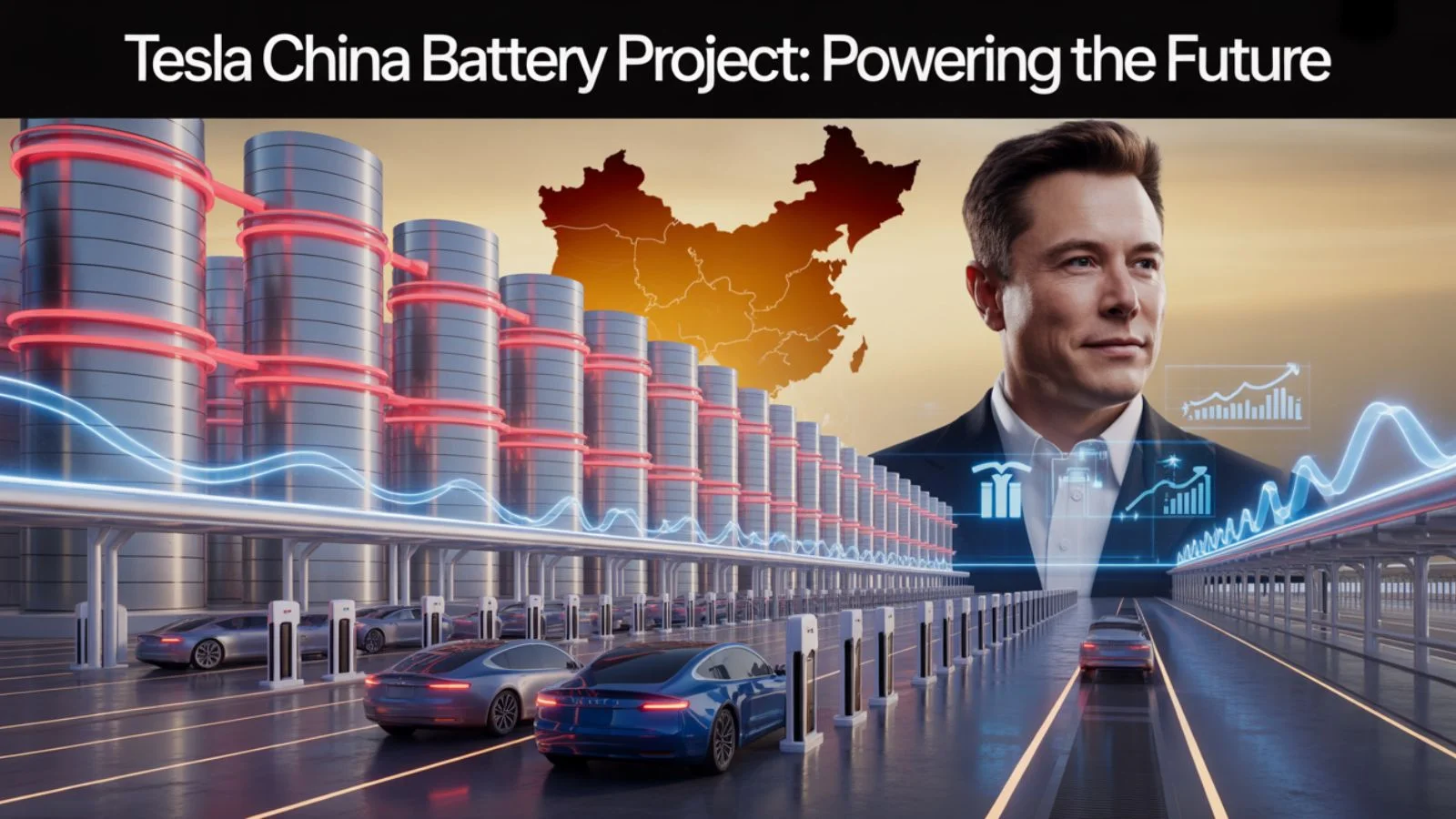
The automotive industry is witnessing a transformative shift toward sustainable transportation, and at the forefront of this revolution stands Tesla’s ambitious expansion in China. The Tesla China Battery Project renewable energy initiative represents a monumental leap in manufacturing capabilities, combining cutting-edge battery technology with sustainable power sources.
As the world’s largest electric vehicle market, China has become the strategic epicenter for Tesla’s renewable energy ambitions, where the company is not just building cars but reshaping the entire energy ecosystem.This comprehensive exploration takes you through how Tesla’s battery manufacturing project in China is setting new benchmarks for renewable energy integration in automotive production, similar to how cutting-edge technologies in engines like the GM LS9 Engine are pushing automotive performance standards forward.
The Strategic Importance of Tesla’s China Battery Manufacturing
Tesla’s decision to establish a comprehensive Tesla China Battery project renewable energy facility stems from multiple strategic advantages. China accounts for approximately 60% of the global electric vehicle sales, making it an indispensable market for any automaker serious about electrification. The Shanghai Gig factory, which began production in 2019, has already demonstrated Tesla’s commitment to the region, but the battery project takes this dedication to unprecedented levels.
The battery manufacturing expansion addresses several critical objectives:
- Supply chain resilience: Reducing dependence on external battery suppliers and creating a vertically integrated production system
- Cost optimization: Lowering production costs through economies of scale and proximity to raw material sources
- Innovation acceleration: Establishing research and development capabilities closer to key technology partners
- Market responsiveness: Enabling faster adaptation to regional market demands and regulatory requirements
China’s mature supply chain ecosystem for battery components, including lithium, cobalt, and advanced cathode materials, provides Tesla with unparalleled access to resources. The Tesla China Battery Project renewable energy leverages these advantages while simultaneously advancing the nation’s clean energy objectives.
Renewable Energy Integration: Powering the Future Sustainably
What distinguishes the Tesla China battery project renewable energy from conventional manufacturing facilities is its comprehensive approach to sustainable operations. Tesla has committed to powering its Chinese operations predominantly through renewable energy sources, establishing a blueprint for carbon-neutral automotive manufacturing.
Solar Energy Infrastructure
Tesla’s Chinese facilities incorporate extensive solar panel installations across rooftops and available land. These photovoltaic systems generate substantial electricity during peak daylight hours, directly powering manufacturing operations. The company has also explored partnerships with local renewable energy providers to supplement its on-site generation capabilities.
Wind Power Integration
As China leads the world in wind energy capacity, this project takes advantage of this infrastructure. Through power purchase agreements with regional wind farms, Tesla secures clean electricity to complement its solar generation, ensuring consistent renewable energy supply regardless of weather conditions.
Energy Storage Systems
Ironically, the batteries Tesla manufactures serve dual purposes. Beyond their automotive applications, these energy storage systems help balance the facility’s renewable energy consumption, storing excess solar and wind power for use during periods of low generation. This creates a self-sustaining energy ecosystem that maximizes renewable utilization.
Advanced Battery Technology and Manufacturing Processes
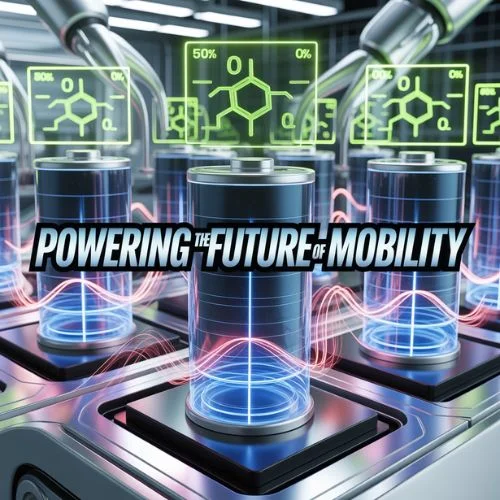
The Tesla China Battery Project Renewable Energy focuses on producing Tesla’s latest battery innovations, including the company’s proprietary 4680 cell format. These cylindrical batteries offer significant advantages over previous generations:
| Battery Specification | Previous Generation (2170) | New Generation (4680) | Improvement |
| Energy Capacity | 5000 mAh | 9000 mAh | +80% |
| Power Output | Standard | Enhanced | +6x |
| Manufacturing Cost | Baseline | Reduced | -14% |
| Range Contribution | 300 miles | 380 miles | +16% |
The facility creates thousands of high-skilled jobs in engineering, manufacturing, quality control, and logistics, supporting an ecosystem similar to what powers premium vehicles using used engines and transmissions worldwide. Water recycling systems capture and purify industrial water, reducing consumption by up to 70%. Waste heat from production processes is recovered and repurposed, while scrap materials undergo comprehensive recycling protocols.
Economic and Environmental Impact
The Tesla China Battery Project Renewable Energy generates substantial economic benefits for the region while advancing environmental objectives. The facility creates thousands of high-skilled jobs in engineering, manufacturing, quality control, and logistics, supporting an ecosystem similar to what powers premium vehicles using engines like Toyota 2JZ Engine the and reliable Used transmissions. Additionally, it stimulates growth in supporting industries, from raw material processing to transportation infrastructure.
From an environmental perspective, the project’s impact extends beyond the facility itself:
- Reduced carbon emissions: Manufacturing batteries with renewable energy dramatically lowers the carbon footprint of each vehicle produced
- Air quality improvement: Increased EV adoption facilitated by affordable batteries contributes to cleaner urban environments
- Resource efficiency: Advanced recycling programs recover valuable materials from end-of-life batteries
- Technology transfer: Local partnerships disseminate sustainable manufacturing practices throughout China’s industrial sector.

Collaboration with Chinese Partners and Government Support
The success of the Tesla China Battery project renewable energy relies heavily on collaborative relationships with Chinese entities. Tesla works closely with local suppliers, including Contemporary Amperex Technology Co. Limited (CATL) and other battery technology specialists, creating a synergistic ecosystem that benefits all participants. Government support has proven instrumental in the project’s rapid development. Favorable policies, streamlined permitting processes, and infrastructure investments have accelerated construction and operational timelines. The Chinese government views Tesla’s investment as validation of its electric vehicle and renewable energy strategies, using the Tesla China battery project renewable energy as a showcase for international investment opportunities.
Challenges and Future Outlook
Although the Tesla–China renewable battery project shows great potential, it still struggles with a number of challenges. Raw material price volatility, particularly for lithium and nickel, affects production costs and profitability. Geopolitical tensions occasionally complicate international supply chains and technology transfers. Additionally, intensifying competition from domestic Chinese EV manufacturers like BYD, NIO, and XPeng pushes Tesla to continuously innovate. Looking forward, Tesla plans to expand its Chinese battery production capacity significantly.
The company is exploring next-generation battery chemistries, including Lithium-iron-phosphate (LFP) variants that reduce reliance on scarce materials. Research into solid-state batteries continues at dedicated innovation centers within the facility. The Tesla China Battery project renewable energy also serves as a template for Tesla’s global expansion. Lessons learned in China regarding renewable energy integration, manufacturing efficiency, and supply chain optimization inform similar projects in Berlin, Austin, and future locations worldwide.
How Tesla–China Partnerships Accelerate Global Sustainability Goals
| Aspect | Tesla’s Role | China’s Goals | Impact on Sustainability |
| Battery Production | Expansion of Gigafactory in Shanghai to enhance battery manufacturing capabilities. | Increase domestic production of electric vehicle components to reduce reliance on imports. | Improved access to high-efficiency batteries supports the adoption of electric vehicles, reducing carbon emissions. |
| Renewable Energy Use | Implement renewable energy sources in the Shanghai Gigafactory to power operations. | Transition to 20% renewable energy by 2025 to reduce fossil fuel dependency. | Lower carbon footprint in manufacturing processes, contributing to cleaner industrial practices. |
| Technological Innovation | Investment in research and development for advanced battery technologies. | Promote innovation to maintain leadership in green technology and renewables. | Enhanced battery technology reduces life-cycle emissions and improves energy efficiency. |
| Market Expansion | Increase production of electric vehicles for the Chinese market. | Achieve a 40% market share of clean energy vehicles by 2030. | Boosts widespread adoption of sustainable transport solutions and reduces urban pollution. |
This table is the overview of how Tesla and China are working together through strategic partnerships to drive global sustainability and accelerate the shift toward clean energy.
Conclusion
The Tesla China battery project renewable energy represents far more than a manufacturing expansion it embodies the future of sustainable automotive production. By integrating advanced battery technology with comprehensive renewable energy systems, Tesla demonstrates that environmental responsibility and industrial scale can coexist successfully. This project positions China as a central hub in the global transition to electric mobility while advancing renewable energy adoption across industries.
As the automotive world accelerates towards electrification, initiatives like the Tesla China Battery project renewable energy will define which companies lead the transformation. For stakeholders across the automotive and energy sectors, Tesla’s Chinese operations offer valuable insights into building resilient, sustainable supply chains for the electric future. Whether you’re an industry professional, investor, or EV enthusiast, watching this project’s evolution provides a window into the sustainable manufacturing practices that will power tomorrow’s transportation.
ALSO READ: Tesla Cybertruck Everything You Need to Know in 2025
Frequently Asked Questions
How much of Tesla’s Chinese operations run on renewable energy?
Tesla aims to power its Chinese facilities with 100% renewable energy, currently achieving approximately 60-70% through a combination of on-site solar generation and renewable energy purchase agreements, with continuous expansion toward complete renewable coverage.
What battery types does the Tesla China facility produce?
The facility manufactures multiple battery formats, including the advanced 4680 cylindrical cells and lithium-iron-phosphate (LFP) batteries, with production capacity being continuously expanded to meet growing demand.
How does Tesla’s battery project benefit China’s renewable energy goals?
The tesla china battery project renewable energy supports China’s carbon neutrality targets by demonstrating large-scale industrial renewable energy adoption, creating demand for clean power, and advancing battery technology that enables broader renewable energy storage and EV adoption.
Will batteries produced in China be exported to other markets?
While primarily serving the Chinese and Asia-Pacific markets, Tesla’s Chinese battery production may supplement other regions during capacity constraints, though most international markets receive batteries from regional facilities.
What environmental certifications does the facility hold?
The facility pursues multiple environmental certifications including ISO 14001 for environmental management and works toward LEED certification for sustainable building practices, while complying with China’s stringent industrial environmental regulations.